 It’s & We’re Always Open!
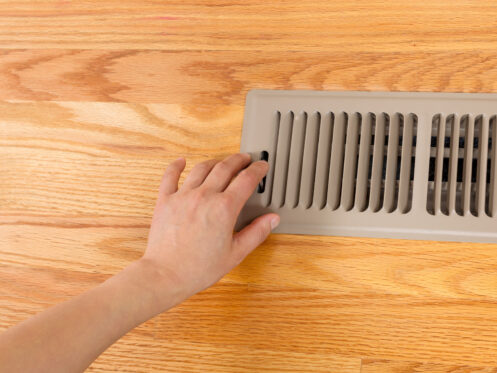
As winter approaches, homeowners across Chatham, NJ, begin preparing for colder temperatures and the increase in energy bills that often comes with heating their homes. This concern leads many people to search for ways to reduce heating costs. One commonly used strategy is closing vents in unused rooms. Some homeowners use the same approach during summer to lower air conditioning expenses. While this idea sounds logical, closing HVAC vents is often counterproductive and can cause serious system issues. Here is why closing vents in your home is not an effective energy-saving strategy.
Vent Closing Logic
At first glance, it seems reasonable to assume that closing vents will reduce energy usage. The idea is that heating or cooling fewer rooms should shorten system run time. Many homeowners compare their heating system to a portable space heater, where a smaller area heats faster than a larger one. However, central forced-air HVAC systems operate very differently. They rely on balanced airflow and carefully designed duct systems rather than isolated heat output.
In limited cases, closing a small number of vents may slightly reduce energy use. However, the savings are typically minimal. Closing too many vents often increases energy consumption instead of lowering it. In addition to higher utility bills, improper vent closing can strain HVAC components and damage ductwork, resulting in expensive repairs.
Ductwork Design and Its Impact on Efficiency
Your ductwork design plays a major role in HVAC efficiency and comfort. Before installation, professionals perform a heating and cooling load calculation that evaluates factors such as square footage, insulation levels, window quality, and local climate conditions. This calculation determines the heating and cooling capacity needed, measured in BTUs, as well as the required airflow volume measured in cubic feet per minute.
Duct systems are carefully sized and balanced to deliver the correct airflow to each room. Duct branches must be large enough to carry adequate air but not so large that airflow velocity drops and causes uneven temperatures. Designers also plan the placement of supply vents and return air ducts to promote consistent circulation. When supply and return airflow remain balanced, HVAC systems operate efficiently and maintain comfort. Disrupting this balance reduces efficiency and performance.
So What Happens When You Close Too Many Vents?
Closing vents disrupts the balance engineered into your duct system. While some systems can tolerate a small percentage of vents being closed, the acceptable amount varies based on system design, duct layout, and blower capacity. Closing too many vents can quickly create problems.
One of the first issues is increased static pressure inside the ductwork. Static pressure refers to the resistance air encounters as it moves through the system. Higher pressure forces the blower motor to work harder, increasing wear and shortening its lifespan.
Excess pressure also stresses duct joints and connections, increasing the risk of air leaks. Leaky ducts can reduce system efficiency by as much as 20 to 30 percent. Once leaks form, reopening vents does not restore lost efficiency, leaving the system permanently compromised.
Additionally, restricted airflow can cause the heating system to operate at higher internal temperatures. Furnaces rely on sufficient airflow to remove heat from the heat exchanger. When airflow drops too low, excess heat builds up, placing added stress on the heat exchanger and increasing the risk of premature failure.
What To Do Instead of Closing Vents
If lowering heating costs is your goal, there are far more effective solutions. Installing a smart thermostat is one of the simplest upgrades. ENERGY STAR-certified smart thermostats can reduce heating costs by an average of around 8 percent, with some manufacturers reporting even higher savings depending on usage habits. These devices learn schedules and adjust temperatures automatically to reduce unnecessary system operation.
If vents have been routinely closed in the past, scheduling a duct inspection is also wise. Elevated pressure can lead to hidden leaks that reduce efficiency. Modern duct sealing methods, including aerosol-based sealing technology, can seal leaks from the inside without opening walls. This process can significantly reduce air loss and restore proper airflow.
Routine HVAC maintenance also plays a critical role in energy efficiency. A professional heating tune-up includes cleaning the blower assembly, inspecting airflow, and ensuring burners operate efficiently. Heating systems can lose up to 5 percent of their efficiency each year without maintenance, making regular service an effective way to control energy costs.
Your Local Heating Efficiency Experts
For over 25 years, Pipe Works Services has provided HVAC services to residential and commercial customers in Chatham. Our technicians hold NATE certifications and are members of the Air Conditioning Contractors of America. We offer seasonal maintenance, system upgrades, ductwork services, and insulation solutions designed to improve energy efficiency. We are also Better Business Bureau accredited with an A+ rating. When you need expert guidance on lowering energy bills and protecting your HVAC system, contact Pipe Works Services today.