 It’s & We’re Always Open!
Forced-air heating systems are effective for heating the entire house
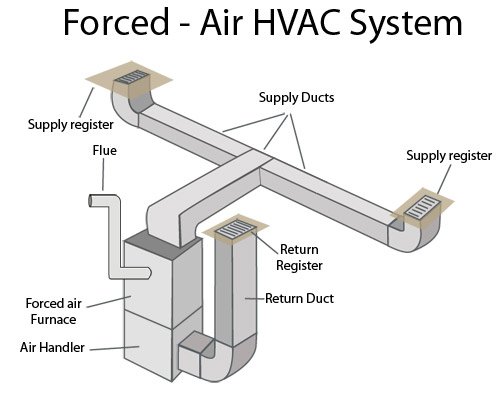
 In a forced-air heating system, air that has been heated by a furnace or heat exchanger is distributed throughout a home’s living space by a ductwork system. Supply ducts bring heated air to different rooms; return ducts pull cooled air back to the furnace or heat exchanger to be reheated. Supply and return ducts meet at a central air handler that contains a powerful fan for moving air through the ductwork.
Pipe Works Services are the local experts for complete forced-air heating system services. We can help you with all your furnace repair needs or evaluate your system and provide you with furnace replacement or installation of a highly efficient heating system. Call us today or contact us online to get started with a free quote in Chatham, Madison, Summit, and Northern and Central NJ!
Efficient forced-air heating systems
A forced-air heating system gets its supply of heated air from an oil or gas-fired furnace, from a heat pump, or an oil or gas-fired boiler. A forced-air heating system that relies on hot water is called a hydro-air system. During hot weather, the same ductwork system that circulates heated air can also circulate cooled air from a central air conditioner.
Forced-air systems are popular because they evenly distribute heat throughout the home based on the settings of one or two thermostats. The efficiency of a forced-air system is dependent upon the fuel source, however. At Pipe Works Services, we install highly efficient gas furnaces and boilers to provide the most energy savings.
What Is a Forced-Air Furnace?
A forced-air furnace is the heating equipment that warms air before it is distributed through a home’s ductwork. It is the heat source within a forced-air heating system, while the ducts, vents, thermostat, and return-air pathways make up the rest of the system that delivers and recirculates the air.
Several related terms are often used when discussing forced-air heating. The furnace is the complete heating appliance. In a gas or oil furnace, the heat exchanger is the internal component that transfers heat from the combustion process to the household air. This allows the air to become warm without coming into direct contact with combustion gases.
The air handler is the section of the system that contains the blower and other components responsible for moving conditioned air. In many furnace systems, the blower assembly is built into the furnace cabinet, so the furnace and air handler may appear to be one unit. Heat pump and electric systems may use a separate air handler instead.
Together, these components create a heating cycle that draws cooler air from the home, warms it, and returns it to the living areas through supply ducts.
How Does a Forced-Air Furnace Work?
A forced-air furnace responds to the thermostat, produces heat, and uses a blower to circulate warmed air. The process repeats until the home reaches the selected temperature.
1. The Thermostat Requests Heat
When the indoor temperature falls below the thermostat setting, the thermostat sends a signal to the heating system. The furnace begins its startup sequence and completes built-in safety checks before producing heat.
2. The Furnace Produces and Transfers Heat
In a gas or oil furnace, the burner ignites and heats the heat exchanger. Household air passes over the outside of the heat exchanger and absorbs heat without mixing with the combustion gases inside it. An electric furnace produces heat with electric resistance elements instead of a burner and combustion heat exchanger.
3. The Blower Moves Warm Air Through the Supply Ducts
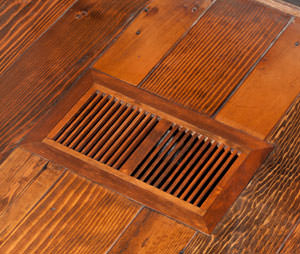
Once the furnace reaches the proper operating temperature, the blower begins moving air across the heating components. The warmed air travels through supply ducts and enters individual rooms through registers or vents.
4. Return Ducts Bring Cooler Air Back
As warm air enters the rooms, cooler household air is drawn into return vents. The return ducts carry that air back toward the furnace or air handler, where it is filtered and heated again.
5. The Cycle Ends and Starts Again as Needed
When the thermostat senses that the desired temperature has been reached, it ends the call for heat. The burner or electric heating elements shut off, and the blower may continue briefly to move remaining warmth through the ducts. The cycle starts again when the indoor temperature drops.
Gas, Oil, and Electric Forced-Air Furnaces
Forced-air furnaces can use different energy sources, but they all heat air and distribute it through ductwork. Fuel availability, existing equipment, operating needs, and the home’s electrical system can influence which type is appropriate.
Gas Forced-Air Furnaces
A gas furnace burns natural gas to heat an internal heat exchanger. The blower moves household air across that component and into the supply ducts. Gas furnaces are commonly found in homes with an existing natural gas connection and duct system. Pipe Works installs high-efficiency furnace systems designed to provide dependable heating during New Jersey winters.
Oil Forced-Air Furnaces
An oil furnace uses heating oil stored in a tank at the property. The oil burner heats a heat exchanger, and the blower distributes the warmed air. Oil systems require fuel delivery and regular maintenance of the burner, filter, and related components. The condition of the storage tank should also be considered when evaluating an existing oil-fired system.
Electric Forced-Air Furnaces
An electric furnace passes air across electric resistance heating elements before sending it through the ducts. It does not require on-site fuel storage or a combustion vent. However, its electrical demand and operating costs should be considered before installation. An electric furnace should not be confused with a heat pump, which transfers heat rather than producing it solely through electric resistance.
Forced-Air Heating vs. Other Heating Systems
The best heating system depends on the home’s existing infrastructure and the way the household prefers to receive heat. A home that already has usable ductwork may be well suited to a furnace or ducted heat pump, while a property with boilers, radiators, or radiant tubing may call for a different approach.
Forced Air vs. Boilers and Radiant Heating
A forced-air system delivers warmth through vents and ductwork. A boiler heats water and circulates it through radiators, baseboards, or a hydro-air system. Radiant heating warms surfaces such as floors, which then transfer heat into the room. Boilers and radiant systems do not require conventional supply and return ducts, but they also cannot use that distribution system for central air conditioning.
Forced-Air Furnaces vs. Heat Pumps
A furnace creates heat through combustion or electric resistance. A heat pump transfers heat from one place to another and can provide both heating and cooling. Ducted heat pumps can sometimes use existing forced-air ductwork, although the ducts, electrical service, equipment size, and heating demands must be evaluated first.
Can You Replace a Forced-Air Furnace With a Heat Pump?
In some homes, a forced-air furnace can be replaced by a heat pump or paired with one in a dual-fuel system. Existing ductwork may be reusable, but that cannot be assumed. Pipe Works can assess the home’s heating needs, duct condition, electrical capacity, and current equipment before recommending a furnace, heat pump, or combined system.
Forced-Air Heating Repair and Replacement
Uneven temperatures, weak airflow, unusual furnace noises, frequent cycling, rising heating costs, or a system that will not start can indicate a problem with a forced-air heating system. The cause may involve the furnace, thermostat, blower, heat exchanger, filter, or ductwork, so accurate diagnosis is important.
Pipe Works provides forced-air heating repair throughout Chatham and communities across Northern and Central New Jersey. Our technicians service existing systems and can explain whether a targeted furnace repair is appropriate.
When equipment is no longer dependable or repair is not the practical choice, we can evaluate the home for furnace replacement. System selection should account for the home’s heating load, ductwork, fuel availability, and comfort needs rather than simply matching the capacity of the old furnace.
Save money on your heating costs with an efficient forced-air heating system
If you’re ready to start saving money on heating costs while improving your home’s comfort and efficiency, Pipe Works Services is here to help. We provide complete forced-air heating system repair, replacement, and installation services, and we’ll help you get the right solutions for your needs.