 It’s & We’re Always Open!
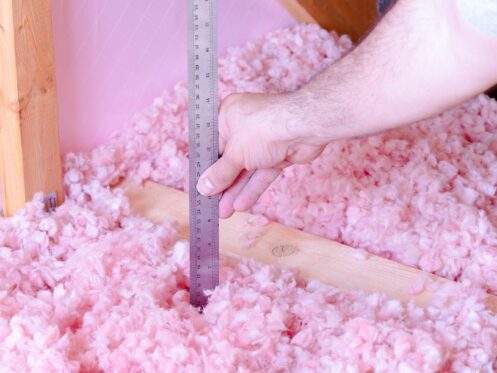
Many homes, especially older ones, have issues with insufficient insulation in exterior wall cavities, in ceilings, under floors, and in the attic. Insulation creates a thermal barrier that helps lessen heat loss in winter and heat gain in summer. Without adequate insulation, you’ll have more difficulties keeping your home comfortable and face higher heating and cooling bills.
While upgrading your home’s insulation can be somewhat costly, the benefits it provides make it well worth the investment. We’ll look at the different signs that can indicate your insulation is starting to fail and why insufficient insulation is something you need to take seriously.
Cold Walls and Floors
During the winter, your heating system should keep every part of your house, including the walls and floors, at nearly the same temperature. It’s normal for flooring to feel slightly colder, but overly cold flooring indicates that the floor has inadequate insulation or adequate insulation that has started to fail. If you touch the drywall on an exterior wall during the winter and it feels overly cold, it’s a sure sign that the insulation has settled or is starting to fail, resulting in cold seeping in from outside.
Temperature Differences Around the House
Another fairly obvious sign that some parts of your house are poorly insulated is if you notice significant differences in temperature in different areas, such as one side of the house always being hotter or colder than the other. It’s common for upper levels of a house to be a few degrees warmer than the basement simply because hot air naturally rises. However, major temperature differences indicate insulation issues or that the HVAC system isn’t evenly circulating air around the house.
Noticeable Drafts
Drafty windows and exterior doors are a common problem. If you can feel drafts in other areas of your house, it’s another sign that your wall cavities aren’t properly insulated, or gaps or cracks in the exterior structure are allowing air to seep in from outside.
Failing insulation and poor air sealing often result in drafts coming in around outlets, light switches, recessed light fixtures, or at the joint where a wall meets the ceiling. If you feel a draft, you can usually tell where the air is coming from quite easily by using a lit stick of incense or lighting a match and then blowing it out. The smoke should normally rise upward. If you move the incense or match around the wall or near the ceiling, and the smoke starts moving sideways, air is leaking in around that area.
HVAC System Runs Almost Constantly at Times
If your home is properly insulated, and your HVAC system still functions effectively, the system will normally cycle on and off at regular intervals and rarely stay on for more than 15 to 25 minutes each time it runs. An HVAC system that runs constantly during periods of hotter or colder weather indicates that some insulation is failing, or the system has some issue that interferes with providing adequate heating or cooling. In this situation, you need to schedule a professional HVAC inspection to determine if your heating or AC needs service. If everything checks out with the inspection, failing insulation is likely the cause of the cycling issue.
Increasingly High Energy Bills
Insufficient insulation and air leaks can decrease a home’s energy efficiency by 15%-20% or sometimes even more. Steadily rising energy bills can indicate that your HVAC system is starting to fail or needs repair, but it can also indicate that the insulation in your exterior wall cavities and/or the attic is starting to fail.
Ice Dams on the Roof in Winter
A fairly certain sign that your attic is no longer sufficiently insulated is if ice dams frequently form near the roof eaves during winter. The insulation on the attic floor traps heat within the main part of the house, blocking it from rising into the attic and heating up the roof. As long as the attic and roof are properly insulated and have sufficient ventilation, the roof deck should never be more than a few degrees warmer than the outside temperature.
Ice dams form when the roof deck is much warmer, resulting in the bottom layer of snow on the roof melting. The snowmelt then typically refreezes near the eave where the roof deck is cooler, creating a layer of ice that blocks water from flowing off into the gutter. Ice dams are a major concern, as they can significantly damage the shingles and gutters and lead to the roof leaking or not lasting nearly as long. The most obvious sign of an ice dam is large icicles hanging off the gutters.
Musty Odors and Moisture Problems
Poorly insulated walls and ceilings can lead to moisture problems that result in musty odors and create the potential for mold growth. Moisture issues are especially common during the winter when cold air seeps in from outside. The warm air inside a house tends to be quite a bit more humid than the cold air outside. When the indoor air comes into contact with a colder wall or ceiling, it can lead to moisture condensing on the inside or outside of the drywall. The condensation can then result in wet spots, yellow or brown water marks, or visible mold growth on the drywall.
How Long Does Insulation Last?
No type of insulation lasts forever. Blown-in and batt insulation always settle over time. The more insulation settles, the less effective it is at blocking out heat and cold. Spray foam insulation and rigid board insulation also deteriorate and become less effective with age. This list shows how long different types of insulation typically last before they start failing and becoming less effective.
- Fiberglass batt insulation: 15 to 20 years
- Blown-in cellulose insulation: 20 to 30 years (depending on settling)
- Rigid foam board insulation: 25 to 30 years
- Open-cell spray foam insulation: 30 to 50 years
- Closed-cell spray foam insulation: 80 to 100 years
How Professionals Determine Insulation Levels
When evaluating a home’s insulation and how well sealed its exterior is, professionals typically rely on thermal imaging. That means using an infrared camera to look for hot and cold spots in walls, floors, and ceilings that indicate warm or cool air is coming in from outside. Thermal imaging is also useful for detecting moisture problems within structural cavities that can also indicate leaks or insufficient insulation.
Schedule Trusted Service Today
With 25+ years of local experience, Pipe Works Services is the company to trust for all your insulation, air sealing, and home weatherization needs. We’re dedicated to helping homeowners in Northern and Central New Jersey tackle any energy efficiency concerns. We can help you enjoy a comfortable indoor environment and lower energy bills throughout the year. Our A+ rating from the BBB and the numerous 5-star reviews we’ve received over the years speak to the quality of our work and the level of service we provide.
If you’re concerned about insufficient insulation in your home or are dealing with high heating and cooling costs, contact us to schedule a home energy audit to learn all the ways we can help you save.