What Is Sewer Pipe Lining?
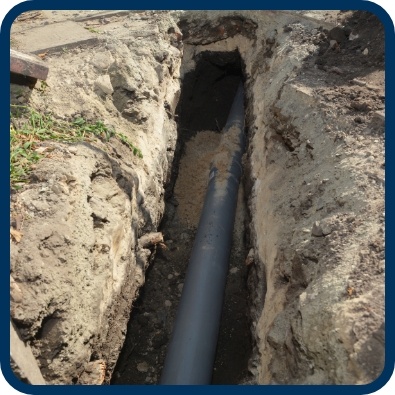
Sewer pipe lining repairs a damaged sewer line from the inside. Instead of digging up and removing the entire old pipe, a plumber installs a new liner within it. Once the liner hardens, it forms a strong, continuous pipe surface inside the original sewer line.
The process begins with a sewer camera inspection. This allows the plumber to locate cracks, corrosion, separated joints, root intrusion, and other damage. The line must then be cleaned so the liner can fit closely against the pipe walls. Any roots, buildup, or loose material that could interfere with the installation must be removed first.
The liner is inserted through an accessible opening, positioned inside the damaged section, and expanded against the existing pipe. After it cures, wastewater flows through the new interior surface. This can seal many cracks and leaking joints while helping prevent roots from entering through the repaired areas.
Because the original sewer line stays in the ground, trenchless sewer pipe lining can reduce digging around lawns, landscaping, walkways, and driveways. However, it cannot correct every problem. Pipe Works reviews the camera inspection to determine whether lining, a targeted repair, or full sewer replacement will provide the most dependable result.
Trenchless Sewer Pipe Lining Methods
Trenchless sewer repair includes several methods. The appropriate approach depends on the condition of the existing pipe, the type of damage, access to the line, and the amount of interior space available. CIPP and slip lining create a pipe within the existing line. Pipe bursting is an adjacent trenchless replacement method, not a form of lining.
Cured-in-Place Pipe (CIPP) Lining
Cured-in-place pipe lining uses flexible tubing saturated with resin or epoxy. The prepared liner is inserted into the damaged sewer pipe and expanded against its interior walls. It is then cured so that it hardens into a solid, continuous surface inside the original line.
Depending on the lining system, curing may occur with air, hot water, steam, or ultraviolet light. Once the material has cured, openings for connected lines must be restored where applicable. The result is a new interior channel that follows the path of the original pipe.
Epoxy sewer pipe lining can address many cracks, leaking joints, areas of corrosion, and damage left after roots have been removed. The pipe must first be cleaned and inspected. If debris, grease, scale, or remaining roots prevent the liner from bonding properly, additional preparation may be required.
Slip Lining
Slip lining involves placing a smaller carrier pipe inside the existing sewer pipe. The space between the old and new pipes may then be sealed or grouted, depending on the design.
This established trenchless method can reinforce a deteriorated line, but the new pipe reduces the available interior diameter. It also requires enough access and space to insert the replacement material. Bends, connected branches, and changes in pipe diameter can limit where slip lining is practical.
For residential sewer lines, a camera inspection and careful measurement are needed before slip lining can be considered. Other trenchless sewer pipe lining methods may offer a better fit when maintaining interior capacity or navigating the existing pipe is a priority.
Pipe Bursting
Pipe bursting replaces the existing sewer line rather than coating or lining its interior. A bursting head is pulled through the damaged pipe, breaking or displacing the old material while drawing a new pipe into its place.
This method may be considered when the existing pipe is too badly damaged to support a liner. It can also allow the replacement pipe to maintain or increase capacity. Pipe bursting usually requires access openings at each end of the section being replaced, but it can still avoid excavating one continuous trench.
Because pipe bursting is a replacement method, it should not be described as sewer pipe lining. Pipe Works can compare trenchless lining, pipe bursting, targeted excavation, and conventional replacement after evaluating the sewer line.
Sewer Pipe Lining vs. Full Replacement
Both sewer lining and full replacement can address a damaged sewer line, but they solve the problem in different ways. The right choice depends on the pipe’s condition, position, and ability to support a liner.
Excavation and Property Disruption
Trenchless sewer pipe lining works through limited access points and leaves the existing pipe in place. This can reduce digging around established landscaping, patios, walkways, and driveways. Full replacement may require a larger trench to remove or bypass the damaged pipe.
Project Timeline
Lining can avoid some of the excavation and surface-restoration work associated with conventional replacement. However, the timeline still depends on access, pipe cleaning, damage, liner preparation, curing, and final inspection. A plumber should inspect the line before estimating how long either option will take.
Condition of the Existing Pipe
A liner needs a usable path and enough structural support to be installed correctly. Lining may work for cracks, corrosion, leaking joints, and certain types of root damage. A collapsed pipe, severe joint separation, major deformation, or significant back-pitch may require replacement or excavation instead.
Expected Service Life
The service life of a lined or replaced sewer pipe depends on the selected material, installation quality, soil conditions, wastewater use, and future movement around the line. Homeowners should review the proposed lining system, product documentation, and applicable warranty before choosing an option.
Sewer pipe lining may be less disruptive, but that does not automatically make it the right repair. Full replacement can provide a better result when the original pipe has lost its shape, slope, or structural path. Pipe Works explains the inspection findings so you can compare the available solutions.
Can Your Pipe Be Lined?
Many residential sewer lines can be lined, but the pipe material alone does not determine eligibility. Its shape, slope, joints, connections, and overall condition are just as important.
- Clay sewer pipe: Lining clay sewer pipe may be possible when the line has cracks, leaking joints, or root intrusion but still maintains a usable path.
- Cast-iron pipe: A liner may cover areas affected by interior corrosion or scaling after the pipe has been thoroughly cleaned.
- Orangeburg pipe: Some Orangeburg lines may be candidates while they retain their shape. Pipe that has become flattened, blistered, or collapsed may not support a liner.
- PVC pipe: Damaged PVC may sometimes be lined, depending on the type and location of the problem. Isolated damage may be better addressed with a targeted repair.
Lining cannot correct every structural problem. A completely collapsed line leaves no path for the liner. Severe offset joints can prevent installation, while significant back-pitch must be corrected to restore proper drainage. The location of branch connections and the ability to clean the pipe also affect the decision.
Pipe Works begins with a sewer camera inspection to see what is happening inside the line. That evidence allows us to determine whether sewer pipe lining is viable or whether another repair will provide a more dependable result.
Your Chatham Sewer Lining Experts
Since your sewer lines are located underground, they may be damaged or worn-down for a significant amount of time before you notice any telltale signs. Some common signs of drain problems inside the home, are wet spots on your lawn, high water bills, and damaged foundation. In some situations, the first sign of a damaged sewer pipe is when it becomes clogged or bursts under pressure, which can sometimes lead to serious plumbing emergencies. Sewer pipe lining can help reduce the risk of bursts or broken sewer pipes, and you’ll have peace of mind in knowing that your plumbing system is reinforced and running as it should.
Here are some more common signs of damaged or aging sewer pipes. Contact us right away to schedule sewer pipe relining service if you notice any of the following issues!
- Strong odors inside the home
- Mold or mildew growth in the basement
- Multiple drains that back up easily or drain water slowly
- Pest infestations
During a sewer lining procedure, your plumber will saturate pipe tubing that’s saturated with epoxy into your home’s sewer pipes. Once inside the pipes, the tubing will be inflated and the plumber will use special curing lights or steam to cure the tubing to the existing pipe walls. This will reinforce the pipes and prevent further damage.
 It’s & We’re Always Open!