 It’s & We’re Always Open!
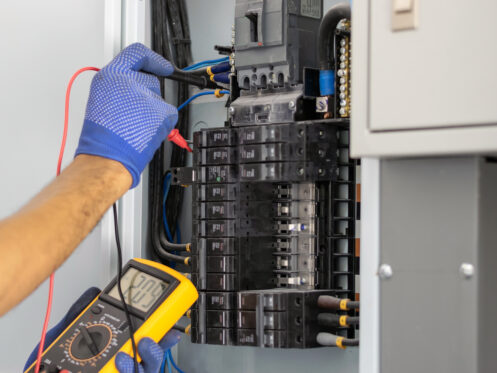
Homes demand far more electricity than they did even a few decades ago. Modern households place constant strain on electrical systems that were never designed for this level of use. However, many homeowners do not realize their system has outgrown its original design until problems become disruptive or dangerous. Electrical issues often develop gradually, with warning signs appearing long before a major failure. Recognizing these signs allows you to upgrade proactively instead of reacting to emergencies.
Frequent Circuit Breaker Trips
Frequent breaker tripping is one of the most common signs of an overburdened electrical system. Circuit breakers are designed to shut off power when a circuit draws more current than it is rated to safely carry. Occasional tripping during unusually heavy use can be normal. Repeated tripping under typical conditions usually signals overload, a short circuit, or a ground fault.
Older homes often have fewer branch circuits serving larger areas, which increases the likelihood of overload when multiple appliances operate at once. Repeatedly resetting breakers does not correct the underlying issue and can increase wear on the breaker itself. Persistent tripping typically indicates the need for additional circuits or panel capacity.
Flickering or Dimming Lights
Lights that flicker or dim when large appliances start may indicate voltage fluctuations. Motors in HVAC systems, refrigerators, or washing machines draw higher startup current. If wiring is undersized, connections are loose, or the panel is outdated, noticeable voltage drop can occur.
While a brief dimming during startup can be normal, frequent or widespread flickering may suggest wiring issues, service capacity limitations, or a loose neutral connection. Voltage instability can reduce the lifespan of sensitive electronics.
Warm Outlets or Switches
Outlets and switches should not feel warm during normal operation. Heat typically indicates excessive resistance caused by loose connections, corrosion, backstabbed wiring, or overloaded circuits. Resistance generates heat, which can degrade insulation and increase fire risk.
If you notice warmth, discoloration, or a burning odor, discontinue use of that device and contact a licensed electrician. These are early warning signs of potential failure.
Buzzing or Crackling Sounds
Electrical systems should operate quietly. Buzzing or crackling sounds from outlets, switches, or panels may indicate loose conductors, overloaded breakers, or electrical arcing. Arcing occurs when electricity jumps across gaps between connections, producing extreme heat.
Because arcing is a known cause of residential electrical fires, unusual electrical sounds warrant immediate professional evaluation.
Burning Odors or Scorch Marks
Burning smells from outlets or panels require immediate attention. Overheated insulation, failing breakers, or damaged wiring can produce these odors. Scorch marks or melted components indicate that temperatures have exceeded safe operating limits.
These signs should never be ignored. Continued operation under these conditions significantly increases fire risk.
Reliance on Extension Cords and Power Strips
Extension cords and power strips are intended for temporary use. Heavy reliance on them often indicates insufficient outlet placement or circuit availability. Plugging multiple high-demand devices into a single receptacle increases the load on that branch circuit.
While power strips may include surge protection, they do not increase circuit capacity. Persistent use for major appliances or long-term setups suggests the home may need additional outlets or circuits.
Limited Outlets and Older Layouts
Homes built decades ago were designed for lower electrical demand. Modern usage—including home offices, entertainment systems, and charging stations—often exceeds original design expectations. Limited outlets increase the likelihood of overloaded receptacles and uneven load distribution.
Breaker Panel Shows Signs of Age
The electrical panel distributes power throughout the home. Panels with limited breaker space, outdated fuse systems, or discontinued brands may not safely support modern loads. Signs of concern include corrosion, overheating, loose breakers, or frequent tripping.
Many older homes were built with 60-amp or 100-amp service, while modern households often require 150-amp or 200-amp service depending on load calculations. A licensed electrician can determine whether your service capacity meets current needs.
Appliances Behave Unpredictably
Voltage irregularities can affect appliance performance. Motors may struggle to start, electronics may reset, or control boards may fail prematurely. When multiple appliances show inconsistent behavior, the issue may stem from wiring limitations, panel capacity, or grounding deficiencies.
Shocks or Tingling Sensations
Feeling a mild shock or tingling sensation when touching an appliance or metal fixture can indicate improper grounding, reversed polarity, or leakage current. Proper grounding directs fault current safely to earth and helps trip protective devices quickly.
Homes built before modern grounding standards may lack equipment grounding conductors in certain circuits. Any shock sensation should be evaluated immediately.
Recent Renovations or Added Appliances
Adding HVAC systems, kitchen upgrades, electric vehicle chargers, or workshop equipment significantly increases electrical demand. If the panel and wiring were not upgraded during renovations, the system may now operate near or beyond its rated capacity.
Load calculations are essential when adding major appliances to ensure the service panel can safely handle the increased demand.
Frequent Blown Fuses in Older Homes
Homes with fuse panels may experience blown fuses when circuits overload. While fuses provide overcurrent protection, they offer less flexibility for expansion compared to modern breaker panels. Replacing fuses repeatedly without addressing the underlying load imbalance increases risk.
Lights That Fail Prematurely
Bulbs that burn out frequently can indicate voltage instability or loose connections. Overvoltage, in particular, can shorten bulb lifespan. While individual bulb failures are normal, widespread or repeated failures may point to electrical irregularities.
Why Ignoring Warning Signs Is Risky
Electrical warning signs rarely resolve themselves. As load increases and components age, risks grow. Electrical failures often occur behind walls, making damage difficult to detect until it becomes severe. Proactive upgrades reduce fire hazards, improve reliability, and protect valuable electronics.
What an Electrical Upgrade Typically Involves
An electrical upgrade may include adding dedicated circuits, replacing outdated wiring, upgrading the service panel, increasing service capacity, and improving grounding and bonding. A licensed electrician will evaluate current load, anticipated demand, and code compliance before recommending improvements.
Recognizing When It’s Time to Act
Your home signals when it has reached its electrical limits. Frequent breaker trips, flickering lights, warm outlets, and reliance on extension cords all suggest the system may need modernization. At Pipe Works Services, we have provided electrical services to the Chatham community since 2000 and proudly serve much of Northern and Central New Jersey. If you are concerned about an outdated electrical system, contact us today for a professional evaluation.