 It’s & We’re Always Open!
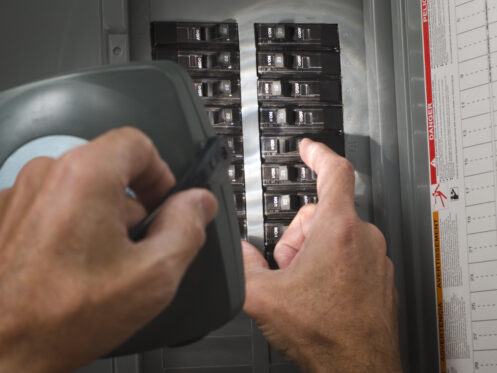
If you are planning to add an EV charger, heat pump, hot tub, new appliance, home addition, or another high-demand electrical feature, it is smart to look at your electrical panel before the project starts.
Adding a major electrical load does not automatically mean you need a new panel. The real question is whether your current electrical service and panel have enough capacity to handle what your home already uses plus the new equipment.
At Pipe Works Services, we look at the full electrical setup before recommending an upgrade. Sometimes the existing panel is perfectly adequate. Other times, the home needs more capacity, more breaker space, or an updated panel before the new equipment can be installed safely.
What Does It Mean to Add Electrical Load?
Every electrical device in your home contributes to the amount of power the house may need at a given time. Adding a lamp or small appliance usually does not change much. Adding equipment that draws considerably more power is different.
Projects that may require a closer look at your electrical capacity include:
- Level 2 EV chargers
- Heat pumps or other electric HVAC equipment
- Electric water heaters
- Electric ranges and other large appliances
- Hot tubs
- Finished basements or home additions
- Garage workshops and power equipment
- Standby generator equipment
An open space in the breaker panel does not necessarily mean the home has enough capacity for the new load. We also have to consider the size of the electrical service and how much power the home may need when several large loads are operating at the same time.
Signs Your Electrical Panel May Need an Upgrade
A planned project is a good reason to have the panel evaluated, but there may already be clues that the electrical system is getting stretched.
We recommend having the system checked if you notice:
- Frequent breaker trips: A breaker that keeps tripping may point to a circuit problem, overloaded circuit, failing breaker, or another electrical issue that should be diagnosed before adding more demand.
- Dimming or flickering lights: If lights regularly dim when a major appliance starts, we may need to look more closely at how the electrical system is handling the load.
- A crowded panel: If there is little or no room for additional circuits, a panel or subpanel change may be part of the project.
- Older electrical equipment: An older panel is not automatically unsafe, but its condition, capacity, and compatibility with today’s electrical demands should be evaluated before adding a major new load.
- Rust, corrosion, scorch marks, or heat: Physical damage or signs of overheating should be inspected promptly rather than waiting until you begin a remodel or equipment installation.
- Buzzing, sizzling, or unusual odors: These can indicate an active electrical problem and deserve professional attention right away.
If your panel is already showing signs of trouble, adding another high-demand appliance or system is not the place to start. We need to address the existing issue first.
Why Older New Jersey Homes Often Need a Closer Look
Many homes in Chatham, Madison, Summit, Morristown, and other established Northern and Central New Jersey communities were built long before today’s electrical demands were common.
A home may originally have been designed around gas heat, a smaller number of appliances, and relatively simple electrical needs. Over the years, homeowners may add central air conditioning, finished basements, home offices, kitchen upgrades, outdoor living spaces, and more electronics without changing the main electrical service.
Now that homeowners are also considering EV chargers, heat pumps, electric water heaters, induction ranges, and other higher-demand equipment, the original electrical setup may need to be reevaluated.
That does not mean an older NJ home automatically needs a new panel. It means we should look at what is already there and what you are planning to add instead of assuming the existing system can support it.
Do You Need a New Panel or Just a Subpanel?
This is an important distinction.
A subpanel can create room for additional circuits when the main panel is crowded. Pipe Works installs subpanels as part of our interior electrical services.
But adding a subpanel does not automatically increase the amount of electricity available to the home. If the existing electrical service has sufficient capacity and the main issue is simply a lack of breaker space, a subpanel may be a practical solution.
If the home’s overall electrical capacity is not sufficient for the proposed load, we may need to discuss a main panel or service upgrade instead.
That is why we evaluate the system before recommending one solution over another.
Projects That Should Trigger an Electrical Capacity Check
Adding a Level 2 EV Charger
A Level 2 charger can add a significant continuous load to the home. Before installing one, we need to consider the charger requirements along with the home’s existing electrical demand.
Pipe Works installs EV charging stations throughout Northern and Central New Jersey, and we can determine whether your existing panel and service are ready for the added load.
Installing a Heat Pump
Moving from a fuel-burning heating system to electric heating can change how much electricity your home uses. That is especially important if the project also includes electric backup heat or other new electrical equipment.
Because Pipe Works provides both HVAC and electrical services, we can look at the heating project and the electrical requirements together instead of treating them as separate problems.
Remodeling or Adding Living Space
A kitchen remodel, finished basement, home addition, garage workshop, or new outdoor living area can add multiple circuits at once.
The project may involve new lighting, outlets, appliances, HVAC equipment, pumps, or specialty equipment. Looking at the electrical capacity early can prevent the panel from becoming an unexpected problem after the rest of the project is already underway.
Installing a Generator
A generator installation also requires planning around the home’s electrical system. We need to consider the panel, transfer equipment, the circuits you want backed up, and the amount of power those loads require.
Pipe Works handles generator and electrical work in-house, so we can evaluate the existing system and explain what changes, if any, are needed before installation.
What We Check Before Recommending an Electrical Panel Upgrade
We do not recommend replacing a panel simply because you are adding a new appliance or system. We first look at what your home actually has and what the new project requires.
That evaluation may include:
- The size of the existing electrical service
- The condition of the main panel
- Available breaker space
- Existing major electrical loads
- The expected load from the new equipment
- Breaker and wiring condition
- Whether a subpanel would solve the space issue
- Whether a service or panel upgrade is necessary
- Permit and inspection requirements for the work
Pipe Works Services is a family-owned company, and we do not use subcontractors for our electrical work. Our own licensed electricians handle the project and take the time to explain your repair, upgrade, and installation options before work begins. :contentReference[oaicite:1]{index=1}
Should You Upgrade the Panel Before Adding the New Load?
Sometimes. But not every project requires one.
If your existing service has enough capacity and the panel is in good condition, we may be able to add the new circuit without replacing the panel. If the panel is out of space, a subpanel may be enough. If the home does not have enough available capacity or the existing equipment is damaged or outdated, a larger upgrade may make more sense.
It is also worth thinking beyond the one project you are planning today. If an EV charger is first but you also expect to add a heat pump, electric range, hot tub, or other electrical equipment in the next few years, tell us. Planning for those future loads now may help you avoid doing the work twice.
Have Pipe Works Check Your Panel Before You Add Load
Pipe Works Services has served homeowners throughout Chatham and Northern and Central New Jersey since 2000. We provide electrical work throughout communities in Morris, Union, Essex, Somerset, Middlesex, and surrounding counties. :contentReference[oaicite:2]{index=2}
Our licensed electricians handle everything from new circuits and subpanels to electrical panel upgrades, EV chargers, generators, appliance wiring, and larger home improvements. We provide estimates, explain your options before the work begins, and back our service with a 100% satisfaction guarantee. :contentReference[oaicite:3]{index=3}
If you are planning to add a major electrical load, contact Pipe Works Services before the project gets underway. We can evaluate your current panel and electrical service, explain what the new equipment requires, and let you know whether an upgrade is actually necessary.