 It’s & We’re Always Open!
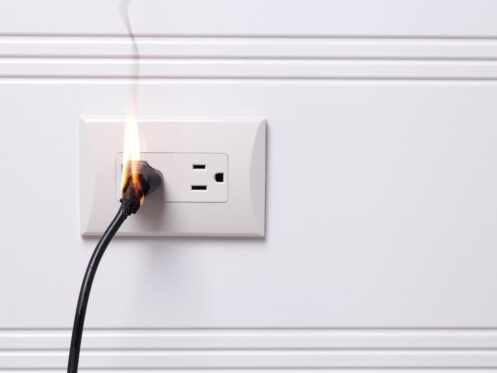
Loose outlets and sparking plugs may seem like minor inconveniences, but they can indicate underlying electrical issues that need attention. Problems with electrical connections can affect appliance performance and, in some cases, increase safety risks. Understanding what causes these issues and when to act can help you protect your home.
Why Loose Outlets Are More Than Just an Annoyance
A loose outlet does more than make it difficult to keep a plug in place. It may indicate wear, damage, or weakened connections inside the outlet. When a plug does not fit securely, the electrical connection can become unstable. This may interrupt the flow of electricity and create resistance at the contact point.
Over time, that resistance can generate heat, which may affect the outlet and surrounding materials. In some cases, loose outlets can also signal internal wiring concerns or aging components. Addressing the issue early can help reduce the risk of further damage.
What Causes Outlets to Become Loose?
Outlets can loosen over time due to normal use and environmental factors. Frequent plugging and unplugging gradually wear down the internal contacts that hold plugs in place. Older homes may experience this issue more often, especially if outlets are outdated or not designed for modern electrical demands.
Improper installation can also contribute to loose outlets. If connections were not secured properly, the outlet may shift or wear more quickly.
Common causes include:
- Worn contacts
- Frequent use
- Aging components
- Poor installation
What Sparking Plugs Really Mean
A small spark when plugging in a device can be normal in some situations. This happens when electricity briefly jumps as the connection is made. However, frequent or larger sparks may indicate a problem.
Loose connections, damaged wiring, or overloaded circuits can all contribute to more noticeable sparking. If sparks are bright, frequent, or accompanied by sounds or burn marks, they should be taken seriously.
The Risks of Ignoring These Warning Signs
Loose outlets and sparking plugs can create safety concerns if left unaddressed. Unstable connections may generate heat over time, which can affect wiring insulation and nearby materials.
Electrical issues can also impact appliances. Irregular power flow may cause devices to operate improperly or wear out more quickly. In some cases, you may notice flickering power or tripped breakers.
Addressing warning signs early can help reduce the likelihood of more serious problems.
Signs You Should Not Ignore
Certain warning signs indicate that an outlet or plug issue requires prompt attention. Recognizing these signs early can help prevent further complications.
Look for discoloration around outlets or plugs, which may suggest overheating. Pay attention to unusual smells, especially burning odors. Sounds like buzzing or popping may also indicate unstable connections.
Key warning signs include:
- Burn marks or discoloration
- Burning smells
- Buzzing or popping sounds
- Frequent or large sparks
When a Loose Outlet Becomes a Safety Concern
A loose outlet becomes more concerning when it cannot maintain a stable connection. This increases the chance of overheating or electrical arcing, where electricity jumps between gaps.
If an outlet moves when you plug in a device, it may not be securely mounted. In some cases, this can expose wiring or place additional stress on connections. Addressing these issues promptly helps reduce potential risks.
Safe Steps to Take Right Away
If you notice a loose outlet or sparking plug, take steps to reduce risk. Stop using the affected outlet and unplug any connected devices carefully.
If the outlet feels warm or shows signs of damage, turn off power to that circuit at the breaker panel if it is safe to do so. Avoid attempting complex repairs on your own. Electrical systems require proper tools and training to service safely.
How Electricians Address These Issues
Electricians typically begin by inspecting the outlet and surrounding wiring to identify the source of the problem. In some cases, replacing the outlet may resolve the issue if internal contacts are worn.
If wiring concerns are present, connections may be repaired or components replaced. Electricians may also evaluate the circuit to ensure it can safely handle the electrical load. In certain situations, upgrading to newer outlets with improved safety features may be recommended.
Preventing Future Electrical Problems
Preventing outlet issues starts with proper usage and routine awareness. Avoid forcing plugs into outlets that do not fit properly, as this can damage internal components.
Be mindful of how many devices are connected to a single circuit. Overloading outlets can increase wear and create unsafe conditions. Periodic inspections can also help identify early signs of wear.
If your home has older wiring or outlets, upgrading to modern components may improve safety and reliability.
Protect Your Home by Acting Early
Loose outlets and sparking plugs are signs that your electrical system may need attention. Taking action early can help reduce the risk of damage and improve overall safety.
Pipe Works Services, Inc. has been providing trusted electrical services in the Chatham area for over 25 years. Contact our team today to schedule an inspection.