 It’s & We’re Always Open!
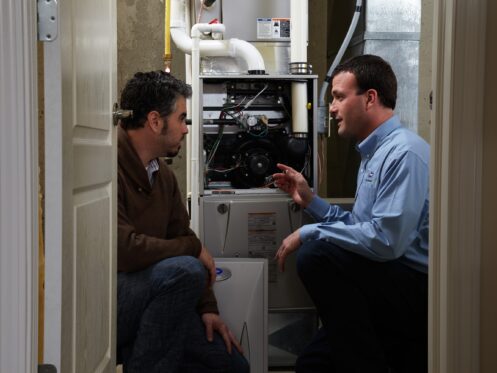
Older homes offer craftsmanship and character that many modern houses lack. However, they also present unique heating challenges. Furnace service becomes essential as systems age alongside older structures. Homeowners must understand warning signs, system limitations, and upgrade options to maintain safety and comfort. Without proper attention, aging heating systems can fail when demand is highest.
Why Older Homes Require Specialized Furnace Service
Contractors built older homes in a time when there were different energy standards. Many lack modern insulation, air sealing, and duct design. These factors increase heating demand throughout the winter. As a result, furnaces operate longer and harder than necessary.
Older layouts also complicate airflow and temperature balance. Multi-level designs, closed-off rooms, and additions affect heat distribution. In many cases, heating systems are decades old. Even well-maintained units face natural wear and tear. Regular furnace service identifies problems before they escalate into complete failures.
Common Furnace Problems Found in Older Homes
Aging furnaces experience issues that differ from newer systems. Heat exchangers often show signs of metal fatigue. Repeated heating and cooling cycles can cause cracks to form. These cracks can pose serious safety concerns that you should never ignore.
Burners can suffer from corrosion or improper combustion, leading to safety and performance issues. Inefficient combustion increases fuel usage and reduces heating performance. Older blower motors also struggle to meet modern airflow demands.
Another common problem is the degradation of electrical components. This occurs as systems age. Loose connections and worn relays reduce reliability. These issues often remain hidden without professional inspections.
Warning Signs That Older Heating Systems Need Attention
Older homes often show subtle signs of heating trouble. Uneven temperatures across rooms indicate airflow problems or potential duct leaks. Persistent cold spots suggest a system imbalance.
You should never ignore unusual system noises. Banging, rattling, or humming noises often signal mechanical wear. Burning odors or musty smells can indicate combustion or ventilation issues.
Rising energy bills also point to declining efficiency. Older systems lose performance gradually, making increases easy to overlook. Any of these symptoms justifies professional furnace service.
Safety Issues Associated With Aging Furnaces
Many older furnaces lack modern safety sensors. This increases the risk of carbon monoxide exposure. Cracked heat exchangers allow exhaust gases to mix with indoor air. Older boilers may lack pressure regulation safeguards. Electrical systems may also fail to meet modern safety standards.
When Furnace Service Is Still the Right Choice
Not every older furnace requires immediate replacement. Many older systems can continue operating safely with proper care. Routine furnace service restores efficiency and reliability when problems remain minor.
Cleaning burners improves combustion efficiency and helps reduce fuel waste. Lubricating the motors helps with wear and tear. It reduces heat buildup and friction, which can cause parts to wear down and break down easily. It’s important to lubricate the moving parts of the heating system at least once a year. Lubrication is an essential part of the maintenance services we perform.
If repairs remain infrequent and affordable, continued service makes sense. This approach allows homeowners to plan future upgrades without rushing decisions.
When Furnace Installation Becomes the Better Option
Eventually, repair costs outweigh maintenance benefits. Frequent breakdowns indicate declining system reliability. Replacement parts for older models may become scarce.
Older furnaces also operate far below modern standards. Fuel consumption increases every heating season. New heating system installation provides predictable performance and improved safety features.
Modern systems include advanced controls and diagnostics. These features improve comfort and reduce long-term operating costs. Furnace installation becomes a smarter investment when systems approach the end of their lifespan.
Heating System Installation Options for Older Homes
Older homes require thoughtful system selection. Structure, ductwork, and fuel access influence heating system installation decisions. Forced air systems remain common but may require duct upgrades in older Chatham properties.
Radiant systems work well in specific older layouts. Heat pumps also serve well in many older homes, especially after insulation improvements. Each option requires careful thought and professional intervention to ensure it’s the right choice.
Boiler Installation Considerations in Older Properties
Many older homes already use boiler systems. Replacing these systems requires specialized knowledge. The existing piping conditions play a significant role in how a boiler performs and in its efficiency.
We must evaluate every part of your boiler system to ensure proper performance before installing a new unit. For instance, corrosion, scale buildup, and outdated valves reduce efficiency. Modern boiler installation includes updated controls and safety features. Proper sizing ensures consistent heat delivery.
Boilers operate much differently from traditional furnaces. Incorrect setup causes comfort problems and efficiency losses. Professional boiler installation protects system reliability.
Ductwork Challenges Common in Older Homes
Older duct systems often suffer from leaks and poor insulation. Air can escape before it reaches your living spaces, causing the furnace to run longer and use more energy.
Some older homes lack adequate return ducts. Poor return airflow stresses blower motors. Old asbestos insulation may surround old ductwork, requiring careful professional intervention.
Duct improvements often accompany furnace installation. Sealing and resizing ducts significantly improve heating performance. Our professionals will perform a thorough ductwork inspection to assess its condition and determine whether any changes are needed.
Electrical and Control System Limitations
Older homes often use outdated electrical infrastructure. These systems may not support modern heating controls. Wiring upgrades may be necessary during heating system installation.
Modern thermostats improve comfort and efficiency. Safety switches and limit controls also enhance system protection. Updating the controls improves system reliability.
Professional installation also ensures electrical compatibility. This step prevents operational issues and safety risks.
Fuel Source Factors in Older Heating Systems
Fuel availability is a primary concern when deciding on a new heating system. Some properties still rely on oil or propane systems. Natural gas conversions offer efficiency improvements but require infrastructure changes.
Electric heating options continue improving. Cold-climate heat pumps can now serve more regions thanks to advanced variable-speed compressors, specialized refrigerants, and larger coils that efficiently extract heat from very cold air.
Fuel selection affects installation costs and long-term expenses. Professional evaluation helps homeowners choose wisely. The right fuel source supports efficiency and reliability.
Proper System Sizing for Older Homes
Sizing heating systems for older homes requires careful precision. Relying on square footage alone can lead to ineffective heating. Ceiling height, insulation, and layout matter greatly, and our experts take each of them into consideration when helping you size a new system.
Oversized systems short cycle and wear out faster. Undersized systems struggle during extreme cold. Accurate load calculations ensure balanced performance.
Professional heating system installation includes proper sizing. This step protects comfort and equipment longevity.
Older Homes Demand Specialized Heating Care
Furnace service plays an integral role in comfort, safety, and reliability. Understanding system limitations helps homeowners avoid costly surprises.
When furnace replacement becomes necessary, furnace installation or boiler installation offers long-term benefits. Professional heating installation ensures proper setup and efficiency.
Pipe Works Services provides a wide array of tailored HVAC services, including installation, maintenance, and repairs. Contact Pipe Works Services to schedule furnace installation in Chatham.