 It’s & We’re Always Open!
Choosing the right insulation can make a major difference in your home’s comfort, energy efficiency, and moisture control. Fiberglass insulation is usually the most affordable option, cellulose offers strong coverage and sound reduction, and spray foam provides the highest level of air sealing and energy performance. The best insulation for a New Jersey home depends on the home’s layout, age, moisture conditions, and overall energy goals.
Many homes throughout Central and Northern New Jersey experience both humid summers and cold winters, making proper insulation especially important for maintaining year-round indoor comfort. Older homes may also have outdated insulation or hidden air leaks that increase heating and cooling costs.
Spray Foam vs. Fiberglass vs. Cellulose Quick Overview
Fiberglass Insulation
Best For: Budget-friendly insulation projects
Advantages: Affordable, widely available, easy installation
Considerations: Can settle over time and may lose effectiveness if exposed to moisture
Cellulose Insulation
Best For: Attic upgrades and older homes
Advantages: Good coverage, sound reduction, recycled materials
Considerations: May settle over time and can be sensitive to excess moisture
Spray Foam Insulation
Best For: Maximum energy efficiency and air sealing
Advantages: High R-value, moisture resistance, strong air sealing performance
Considerations: Higher installation cost and professional application required

Why Insulation Matters
Insulation helps slow heat transfer throughout a home, making it easier to maintain comfortable indoor temperatures during both summer and winter. Proper insulation can help reduce strain on heating and cooling systems while improving overall energy efficiency.
In New Jersey homes, insulation also plays an important role in moisture control and indoor comfort. Some insulation materials are better suited for resisting moisture and limiting unwanted air movement, which can be especially beneficial during humid summer conditions.
Many homeowners are also surprised to learn that insulation can help reduce sound transfer between rooms and from outside noise sources.
Understanding R-Values
An insulation material’s R-value measures how effectively it resists heat transfer. In general, higher R-values provide greater insulating performance. However, choosing the highest possible R-value is not always necessary or cost-effective.
The right insulation level depends on factors such as:
- The area being insulated
- Local building code requirements
- Home construction type
- Climate conditions
- Ventilation and moisture concerns
Attics usually require higher insulation levels than interior walls or floors because they experience greater temperature extremes throughout the year.
Pros and Cons of Fiberglass Insulation
Fiberglass insulation remains one of the most commonly used insulation materials because it is affordable, widely available, and effective when properly installed.
Fiberglass is commonly installed in:
- Exterior walls
- Attics
- Floors and ceilings
- Basements and crawl spaces
Fiberglass batts are relatively quick to install, and blown-in fiberglass is often used in attic spaces. When properly fitted, fiberglass can provide reliable thermal performance at a lower price point than some other insulation materials.
However, fiberglass insulation can become less effective if gaps form during installation or if the material settles over time. Moisture exposure from roof leaks, plumbing leaks, or excess humidity may also reduce insulating performance and contribute to moisture-related problems if left unaddressed.
Pests may sometimes nest inside fiberglass insulation, particularly in older attics or crawl spaces.
Pros and Cons of Cellulose Insulation
Cellulose insulation is primarily made from recycled paper products treated with fire-retardant materials. It is typically installed as a blown-in insulation and is commonly used in attics and wall cavities.
Many homeowners choose cellulose because it:
- Provides strong coverage
- Works well for retrofit projects
- Offers good sound dampening
- Uses recycled materials
Because cellulose is blown into place, it can often be installed in existing wall cavities with less disruption than some other insulation upgrades.
Like fiberglass, cellulose insulation may settle gradually over time, which can reduce its overall effectiveness. Moisture management and attic ventilation are also important since prolonged moisture exposure can affect insulation performance.
Related post: Fiberglass vs. cellulose
Pros and Cons of Spray Foam Insulation
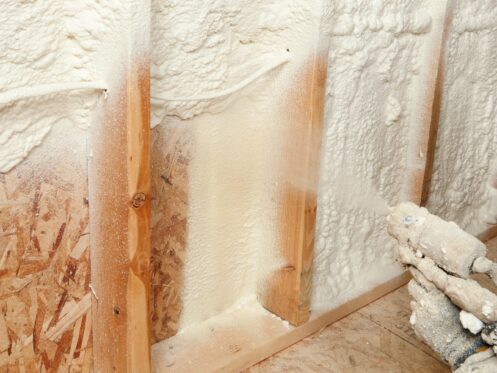
Spray foam insulation is applied as a liquid that expands into foam and seals gaps, cracks, and air leaks as it cures. There are two primary types of spray foam insulation: open-cell and closed-cell foam.
Closed-cell spray foam typically provides:
- Higher R-values per inch
- Greater moisture resistance
- Stronger structural rigidity
Open-cell spray foam expands more aggressively, making it useful for filling larger wall cavities and irregular spaces.
Many homeowners choose spray foam because of its strong air sealing performance and long-term energy efficiency benefits. Spray foam also tends to maintain its insulating performance well over time.
However, spray foam insulation generally costs more than fiberglass or cellulose insulation and requires professional installation. In some retrofit situations, installation may also be more complex depending on wall access and existing construction.
Related post: Can you put too much insulation in your attic?
Get Professional Help Choosing the Right Insulation
Choosing the right insulation involves balancing energy efficiency, moisture control, installation costs, and long-term performance. A professional insulation evaluation can help determine which material is best suited for your home’s layout and conditions.
At Pipe Works Services, we provide insulation and weatherization services throughout Central and Northern New Jersey. Our team works with fiberglass, cellulose, foam board, and spray foam insulation, and we help homeowners compare options based on their comfort goals, home construction, and budget.
Frequently Asked Questions About Home Insulation
The best insulation depends on the home’s construction, energy goals, moisture conditions, and budget. Many homes use a combination of insulation materials in different areas of the house.
Spray foam insulation may provide improved energy efficiency and air sealing compared to some traditional insulation materials. Homeowners often choose it for areas where air leakage and moisture control are major concerns.
Insulation lifespan varies depending on the material, installation quality, moisture exposure, and overall attic or wall conditions. Some insulation materials may maintain performance longer than others.
Proper insulation can help improve energy efficiency by reducing unwanted heat transfer and limiting air leakage throughout the home.