 It’s & We’re Always Open!
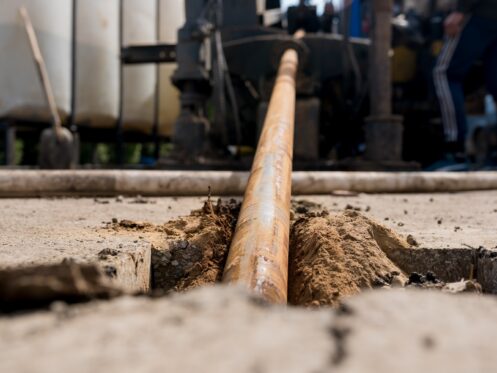
Traditionally, the only way to repair a sewer line was to excavate the damaged section and then replace the pipe. This process is not only expensive and time-consuming, but it also significantly disturbs the lawn and landscaping and requires additional work to restore everything once the repair is complete. Plumbing companies now have two different trenchless options, pipe lining and pipe bursting, that allow them to repair certain sewer issues with only minimal digging and at a lower cost.
How Does Trenchless Pipe Lining Work?
Trenchless sewer repair is done using a process known as cured-in-place pipe lining (CIPP). You may also hear it referred to as pipe-in-pipe sewer repair, as the process creates a new, durable load-bearing pipe within the original sewer line. Pipe lining involves inserting a flexible, resin-coated tube into the pipe. The resin allows the tube to adhere to the pipe. As the resin cures, it bonds with the pipe and seals up any cracks and holes.
The process for pipe lining a sewer line is as follows:
- Cleaning the line to remove any debris, rust, and corrosion
- Cutting the flexible tube to length and soaking it in epoxy resin
- Using an inflatable bladder to insert the tube through the line and push it up against the inside of the pipe
- Curing and hardening the resin using UV light and/or heat
As long as the installation is done correctly and the resin is fully cured, the pipe liner will normally last for 50 to 60 years. The liner is also resistant to corrosion, which is why pipe lining is often done to rejuvenate old cast iron sewer lines that are highly prone to rust and corrosion.
Compared to traditional sewer repair, pipe lining provides all of these benefits:
- Much less invasive
- No need to pay to restore landscaping afterward
- Often only takes a single day instead of at least two to three
- Lower overall cost
What Issues Can Pipe Lining Fix?
Pipe lining can only repair moderate sewer line damage, such as small cracks or holes. It’s also an effective solution if a sewer line is leaking because one or more of the pipe fittings are loose. If the sewer line is broken, has collapsed, or is otherwise no longer structurally sound, pipe lining isn’t an option. In this case, your options are either traditional or trenchless sewer replacement.
To assess what issues exist and what sewer repair options are possible, the plumber will use a video camera to inspect the sewer line. The camera allows them to view the entire pipe from the inside and determine its condition. If they determine that the line keeps clogging because of tree root intrusion, hydro jetting or rooting the pipe can remove the roots and temporarily fix the problem. However, we’d still recommend pipe lining in this situation to seal up the entry points. If you only clean the line to remove the roots, they’ll eventually regrow and cause further issues. The biggest concern is that large roots could break the line, in which case pipe lining will no longer be an option.
How Trenchless Pipe Bursting Works
Trenchless pipe bursting allows plumbers to fully replace a sewer line without digging the entire line up. The process involves breaking up the old sewer line and then pulling a new pipe into the void left by the old one.
Pipe bursting involves the following steps:
- Dig a small hole near the foundation and another near the property line or out in the street to access the sewer line
- Pull a wedge or auger through the line using a wench to break up the pipe
- Use the wench to pull the new pipe in place
- Connect the new pipe to the house and the municipal sewer main
- Fill in the holes
Plumbers typically use HDPE pipe for the new line, as it’s flexible enough to be pulled into the void left by the old pipe without cracking or breaking. The different sections are also heat-welded above ground to create a seamless pipe without any joints where tree roots could potentially get inside.
When Trenchless Sewer Repair or Replacement Isn’t Possible
If your sewer line is broken or collapsed, trenchless pipe bursting can be a great alternative to traditional sewer replacement. However, there are certain situations where pipe bursting isn’t an option, and you’ll still need to have your sewer line excavated. With pipe bursting, the new line is installed in the exact same location and at the same slope as the old pipe.
If any of the following issues exist, pipe bursting usually isn’t an option:
- Existing pipe has a belly in it
- Sewer line doesn’t have the correct slope
- Soil is overly rocky or overly sandy and dense
- Sewer line has shifted to the point where it’s not possible to pull a cable through it
- Large tree roots are growing up against the sewer line
If the existing pipe has a belly in it or doesn’t have the correct slope, traditional sewer replacement is the only way to avoid continued problems. Too much slope, too little slope, or a belly in the pipe traps solid waste. If you were to use pipe bursting in any of these situations, the new pipe would have the same issue. That means you’d likely still encounter frequent clogs and sewage backups within your home.
Rocky or overly dense and sandy soil poses a challenge, as the soil can create so much friction that it damages the new pipe while it’s being pulled into place. Large tree roots near the existing sewer line can be a concern as well. The roots can prevent the wedge from fully breaking up the old pipe, making it impossible to pull the new pipe.
How Do You Know When Sewer Repair or Replacement Is Necessary?
Watching out for signs of sewer line clogs or damage is essential for avoiding costly repairs. A strong smell of sewage outside the house is one of the biggest worries, as this almost always indicates that the sewer line is damaged and sewage is leaking out underground. Standing water or wet soil above the line usually indicates a leak. Calling for an immediate inspection is crucial if you suspect your sewer line is leaking, as sewer leaks can contaminate the ground and potentially damage your home’s foundation.
Some of the most common signs you’ll see include:
- Drains are suddenly slower and make bubbling or gurgling noises
- Toilets are slow or don’t fully flush
- Sewage smells near your plumbing fixtures
- Strong sewage odor in the yard near the sewer line
- Standing water or unusually wet soil near the sewer line
- Patch of grass above the sewer line that’s overly lush and grows faster than the rest of the lawn
At Pipe Works Services, we offer expert sewer services to homeowners in Chatham and the surrounding parts of Northern and Central New Jersey. Our family-owned and -operated plumbing company has been in business for over 25 years and is known for providing dependable, affordable sewer repair and replacement services. We understand the importance of tackling sewer issues quickly, which is why we’re available 24/7 to handle any emergency.
If you suspect problems with your home’s sewer system, contact us today for a professional inspection and evaluation.