 It’s & We’re Always Open!
Losing hot water can disrupt your routine quickly. The cause often depends on the type of system installed. Tank heaters fail differently from tankless units, and the warning signs are not always the same. Common causes include tripped breakers, error codes, sediment buildup, ignition failures, or flow-related shutdowns. Paying attention to symptoms helps you act sooner and avoid more extensive repairs.
Why Hot Water Problems Appear Suddenly
Water heaters typically decline gradually, even when failure feels sudden. Sediment can accumulate around heating elements, electrical terminals can loosen, sensors can drift out of calibration, and gas supply components can weaken over time. These issues reduce performance before the system ultimately stops producing hot water.
Seasonal changes can push a marginal system past its limits. Colder incoming water during winter requires longer heating cycles. High-demand periods — such as multiple back-to-back showers — may expose capacity limits that were previously unnoticed. Observing how the system behaves before complete failure often speeds up diagnosis.
No Hot Water at All From a Tank Water Heater
When a tank-style heater produces no hot water, the issue usually relates to power, fuel supply, or failed components. Electric models rely on functioning heating elements and thermostats. Common problems include tripped breakers, failed upper elements (which control most heating cycles), or wiring faults. Heavy sediment buildup can also insulate elements and cause overheating or burnout.
Gas tank heaters depend on ignition systems, gas valves, and adequate venting. A failed thermocouple, electronic ignition issue, or closed gas supply valve can prevent the burner from firing. In some cases, you may briefly receive lukewarm water before it turns cold. Error indicator lights or status codes on newer models can help identify the source of failure.
Hot Water Runs Out Too Fast With a Tank Heater
If hot water appears briefly and fades quickly, recovery or storage capacity may be reduced. Sediment accumulation at the bottom of the tank is a common cause. This buildup reduces usable tank volume and forces the burner or elements to work harder.
A damaged dip tube can also contribute. The dip tube directs incoming cold water to the bottom of the tank. If it cracks or deteriorates, cold water may mix prematurely with hot water at the top, shortening available supply. Both issues are repairable when identified early.
Lukewarm Water Instead of Hot From a Tank System
Lukewarm water usually indicates partial heating failure. In electric tanks, a failed lower heating element often allows some heating but not full recovery. Thermostat calibration issues or high-limit switch problems can also affect output temperature.
Gas systems may produce lukewarm water if burners are dirty, partially obstructed, or not achieving proper flame pattern. Addressing these issues early improves efficiency and prevents further component wear.
No Hot Water From a Tankless System at All
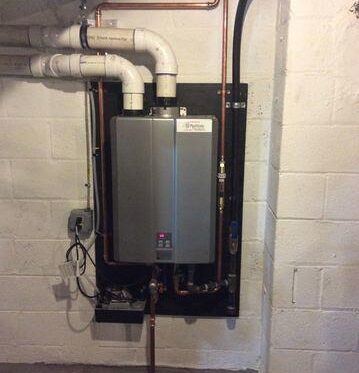
Tankless systems respond differently than storage tanks. When no hot water is produced, the issue commonly involves power supply, gas pressure, ignition failure, or internal safety lockout. Electric tankless units can shut down from tripped breakers or insufficient amperage supply. Gas models require proper gas pressure, combustion air, and venting to operate safely.
Most modern tankless units display diagnostic error codes when problems occur. These codes may indicate ignition faults, flow sensor issues, overheating protection activation, or venting errors. A professional technician can interpret the codes and test system components safely.
Fluctuating Hot and Cold Water With Tankless Systems
Temperature swings in tankless systems are often flow-related. Tankless heaters require a minimum flow rate to activate and remain running. Low-flow fixtures, partially clogged aerators, mixing valve issues, or fluctuating water pressure can cause the unit to cycle on and off.
Scale buildup inside the heat exchanger can also restrict flow and trigger erratic temperature changes. Cleaning inlet screens and descaling the system typically restores stable performance.
Hot Water Only Works Sometimes With Tankless Units
Intermittent operation often involves sensors or control board irregularities. Tankless systems rely on accurate readings from flow sensors, temperature sensors, and flame sensors. If one component sends inconsistent data, the unit may fail to ignite reliably.
Heavy simultaneous demand across multiple fixtures can also exceed system capacity, particularly if the unit was undersized for household needs. Proper evaluation determines whether repair or capacity adjustment is necessary.
System Shuts Down During Use
If a water heater shuts down mid-use, a safety device may be activating. Tank systems can trip high-limit switches due to overheating or restricted venting. Tankless systems may shut down when internal temperatures exceed safe limits or when combustion or airflow problems are detected.
Common causes include blocked venting, dirty burners, restricted combustion air supply, or mineral scale buildup. Repeated shutdowns require professional inspection to prevent further damage.
Strange Noises and Their Connection to Hot Water Loss
Noises often accompany developing issues. In tank heaters, rumbling or popping usually indicates sediment interacting with heated surfaces. As trapped water beneath sediment layers turns to steam, it creates noise.
Tankless units may click during ignition, but unusual grinding, buzzing, or repeated ignition attempts suggest mechanical or electrical strain. Changes in operating sound are worth evaluating.
Water Pressure Changes Affecting Hot Water
Water pressure directly affects heater performance. Low pressure can prevent tankless units from activating. Excessively high pressure can strain tank systems and stress temperature and pressure relief (TPR) valves. Partially closed shutoff valves, clogged filters, or municipal supply fluctuations can all affect performance.
When Professional Service Becomes Necessary
Persistent shutdowns, visible error codes, inconsistent temperatures, or complete hot water loss indicate the need for professional service. Water heaters combine electricity or gas with high heat and pressurized water. Proper diagnostics ensure safe and accurate repairs.
Preventing Future No Hot Water Surprises
Routine maintenance reduces unexpected failures. Tank heaters benefit from annual flushing to remove sediment. Tankless units require periodic descaling to prevent mineral buildup and maintain proper flow. During maintenance visits, worn components can be identified before they cause system shutdown.
Understanding Your System Makes a Difference
When hot water disappears without warning, symptoms often point directly to the cause. Understanding how your system behaves helps you respond appropriately. At Pipe Works Services, we have served the Chatham area since 2000. If your home suddenly has no hot water, contact us for a professional diagnosis and reliable repair.