 It’s & We’re Always Open!
A sewer backup is one of the most stressful plumbing emergencies a homeowner can face. Wastewater can quickly enter your home, creating health risks, structural damage, and costly cleanup. In these situations, acting quickly is critical. Knowing what to do before a plumber arrives can help limit damage and improve safety.
What Causes a Sewer Backup?
Sewer backups occur when wastewater cannot flow properly through your plumbing system. Instead of moving away from your home, it reverses direction and comes back through drains, toilets, or floor-level fixtures. Blockages in the main sewer line are a common cause. Grease, food waste, paper products, and debris can build up over time and restrict flow.
Tree roots can also cause significant issues. They enter sewer pipes through small cracks or joints and expand inside the line, trapping debris and creating blockages. In some cases, heavy rainfall can overwhelm municipal sewer systems. When this happens, excess water may force sewage back into residential lines, even if your home’s plumbing is in good condition.
First Steps to Take Immediately
If you notice signs of a sewer backup, act quickly and prioritize safety. Avoid entering affected areas until you assess the situation.
Start by stopping all water use in your home. Do not flush toilets, run sinks, or use appliances. Continued water use can worsen the backup. If it is safe to do so, turn off electricity to affected areas to reduce the risk of electrical hazards. Then contact a licensed plumber as soon as possible.
Immediate steps include:
- Stop all water use
- Shut off power to affected areas if safe
- Avoid contact with contaminated water
- Call a licensed plumber
Protecting Your Home From Further Damage
After addressing safety concerns, focus on limiting damage. Wastewater can quickly soak into flooring, drywall, and furniture. If it is safe, move valuable or absorbent items like rugs, electronics, and upholstered furniture away from the affected area.
You can use towels or plastic sheeting to help contain the spread of contaminated water. Avoid trying to remove large amounts of wastewater yourself. Professional equipment is typically needed to handle contaminated materials safely. Improving ventilation by opening windows or using fans may help reduce odors and begin the drying process.
What Not to Do During a Backup
Certain actions can make a sewer backup worse or create additional hazards.
Avoid using chemical drain cleaners. These products are not effective for major blockages and can damage pipes or create harmful fumes. Do not use plungers on multiple fixtures, as this can push wastewater into other areas of your home.
You should also avoid dismantling plumbing components. Sewer line issues often require specialized tools and experience. Waiting to see if the problem resolves on its own can allow damage to worsen.
Health Risks and Safety Precautions
Sewer water may contain bacteria, viruses, and other harmful contaminants. Contact with contaminated water can lead to illness or infection.
Avoid direct exposure whenever possible. If you must enter the area, wear protective gear such as gloves, boots, and a mask. Keep children and pets away from affected spaces to reduce the risk of spreading contamination.
After any exposure, wash your hands thoroughly and disinfect surfaces that may have come into contact with wastewater.
Preparing for the Plumber’s Arrival
Taking a few steps before a plumber arrives can help speed up the repair process. Note whether the issue affects a single fixture or multiple drains, as this can indicate whether the problem is localized or related to the main sewer line.
Clear a path to affected areas so technicians can access key locations. If possible, write down when the problem started and any unusual symptoms you noticed. This information can help with diagnosis.
Make sure pets are secured and the work area is safe and accessible.
How Plumbers Typically Handle Sewer Backups
Plumbers use specialized tools to diagnose and resolve sewer backups. The approach depends on the cause and severity of the issue.
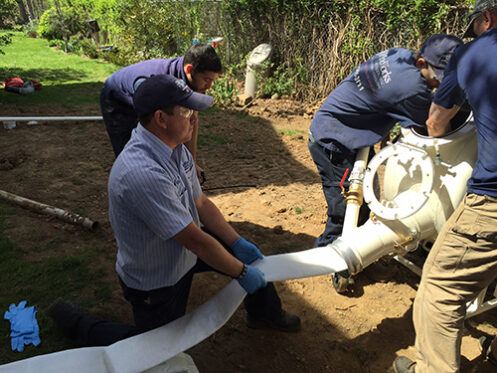
Camera inspections are commonly used to locate blockages, cracks, or root intrusion inside pipes. Once the cause is identified, tools such as drain augers or hydro jetting may be used to remove debris and restore flow.
If structural damage is found, repairs or replacement may be required. This can involve excavation or trenchless repair methods, depending on the situation.
Preventing Future Sewer Backups
After resolving a backup, taking preventive steps can help reduce the risk of future issues. Avoid disposing of grease, food waste, or non-flushable items in your drains.
Regular inspections may help identify early signs of blockages or pipe damage, especially in older homes. If you have large trees near your sewer line, periodic checks can help detect root intrusion.
When to Consider Additional Protection
Some homes may benefit from additional protective measures. Backwater valves can help prevent sewage from flowing back into your home by allowing water to exit while blocking reverse flow.
Sump pumps can help manage excess water during heavy rainfall, though they do not address sewer line blockages directly. In some cases, upgrading older plumbing systems may improve reliability and reduce the risk of future problems.
Stay Prepared and Act Quickly
A sewer backup can create a dangerous and stressful situation, but quick action can help limit damage and improve safety. By taking the right steps and contacting a professional promptly, you can reduce the impact of the emergency.
Pipe Works Home Services has been providing trusted plumbing services in the Chatham area for over 25 years. Contact our team today for emergency assistance.