 It’s & We’re Always Open!
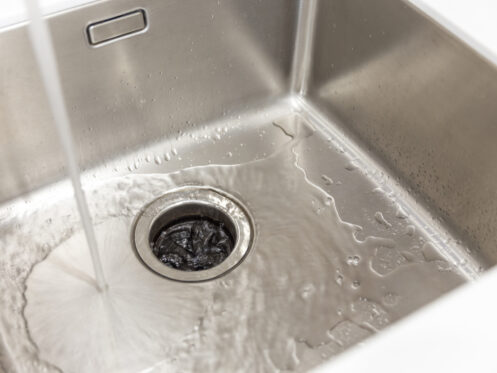
Many drain clogs and sewer backups start with everyday household habits. Grease, food scraps, wipes, hair, paper towels, and hygiene products may seem harmless in the moment, but they can collect inside pipes over time. As buildup grows, wastewater has less room to move through the plumbing system. That can lead to slow drains, recurring clogs, sewer odors, or backups.
Pipe Works Services helps New Jersey homeowners prevent recurring drain issues with professional drain cleaning, sewer inspections, and preventive plumbing service.
What Not to Put Down Your Drains
The easiest way to prevent many household clogs is to keep the wrong materials out of sinks, tubs, showers, toilets, and garbage disposals. Some items can harden inside pipes, while others snag, expand, or combine with grease and debris.
Avoid putting these items down your drains:
- Cooking grease, fats, and oils
- Coffee grounds
- Pasta, rice, and bread
- Eggshells
- Fibrous foods
- Large amounts of food waste
- Hair
- Soap scum and thick product residue
- Flushable wipes
- Paper towels and tissues
- Feminine hygiene products
- Cotton balls, cotton swabs, and dental floss
- Cat litter
- Paint, chemicals, or cleaning solvents
- Medications
When in doubt, throw it out. Your drains are designed to move wastewater, not household trash, grease, food waste, or hygiene products.
Simple Ways to Protect Your Drains
A few daily habits can make a major difference in how well your plumbing system works. These steps help reduce buildup in kitchen, bathroom, laundry, and basement drains.
Helpful drain habits include:
- Scrape food scraps into the trash before rinsing plates.
- Pour grease into a disposable container and throw it away after it cools.
- Run cold water before, during, and after using the garbage disposal.
- Use the garbage disposal for small scraps only.
- Install drain strainers in kitchen sinks, bathroom sinks, tubs, and showers.
- Clean hair from drain strainers regularly.
- Flush only toilet paper and human waste.
- Keep wipes, paper towels, hygiene products, cotton swabs, and dental floss out of toilets.
- Schedule professional drain cleaning if clogs keep coming back.
If you experience recurring clogs, professional plumbing repair or drain cleaning may be needed to clear buildup safely and check for a deeper issue.
Kitchen Drain Mistakes That Lead to Clogs
Kitchen drains commonly develop buildup from cooking, cleaning, and garbage disposal use. Grease and oil can coat the inside of the pipe. Food particles can stick to that greasy layer. Over time, the drain opening becomes narrower and water begins to move more slowly.
Kitchen items that commonly cause clogs include:
- Grease, cooking oil, and melted butter
- Bacon fat and meat drippings
- Coffee grounds
- Pasta, rice, oatmeal, and bread
- Eggshells
- Potato peels and onion skins
- Celery, corn husks, and other fibrous foods
- Large amounts of food waste
- Thick sauces, gravies, and dairy-based foods
Many homeowners overload the garbage disposal without realizing the long-term effect it can have on the drain line. Even if food disappears from the sink, small particles may collect farther inside the pipe. Kitchen clogs often form gradually, and many homeowners do not notice the problem until water starts draining slowly or backing up.
Bathroom Drain and Toilet Mistakes to Avoid
Bathroom drains deal with hair, soap residue, toothpaste, shaving cream, and personal care products every day. Toilets are also commonly used for items that should go in the trash instead.
Do not put these items down bathroom drains or toilets:
- Hair from brushes, razors, or shower drains
- Flushable wipes
- Baby wipes and cleaning wipes
- Paper towels and napkins
- Feminine hygiene products
- Cotton balls and cotton swabs
- Dental floss
- Bandages
- Makeup wipes
- Excess toothpaste or thick personal care products
- Small product caps, wrappers, or packaging
Flush only toilet paper and human waste. Everything else should go in the trash. In showers and tubs, drain strainers can help catch hair before it enters the line and combines with soap scum.
Why Flushable Wipes Still Cause Sewer Problems
One of the biggest misconceptions about flushable wipes is that they are safe for plumbing systems. While these wipes may flush, they do not break down like toilet paper. They can stay intact long enough to snag inside pipes and collect other debris.
As wipes build up inside the line, they can create blockages deeper in the sewer system. Feminine hygiene products, paper towels, cotton balls, and similar materials can make the problem worse because they are not designed to dissolve quickly in water.
If your home has repeated toilet clogs or sewer backups, the issue may involve more than one fixture. Professional sewer cleaning or a camera inspection may be needed to find the source of the blockage.
Warning Signs of a Developing Drain Blockage
Your plumbing system will often show early warning signs before a major backup occurs. Recognizing these symptoms and scheduling service early can help prevent a small drain issue from becoming a larger sewer problem.
Key signs of drain blockages include:
- Slow-draining sinks, tubs, or showers
- Standing water around drains
- Gurgling sounds in pipes or toilets
- Recurring clogs in the same fixture
- Multiple drains clogging at the same time
- Water backing up into lower-level drains
- Sewer odors inside the home
- Toilets that bubble when another fixture drains
- Kitchen sink backups after using the dishwasher
- Basement floor drain backups
Many homeowners ignore these symptoms because the plumbing still appears to work. However, recurring clogs, gurgling drains, and sewer odors can point to a deeper problem inside the drain or sewer line.
Older Pipes, Tree Roots, and Heavy Rain Can Make Problems Worse
Many older New Jersey homes have plumbing systems that are more vulnerable to recurring drain and sewer issues. Aging pipes can collect buildup more easily and may be more likely to crack, shift, or deteriorate over time. Tree roots can enter underground sewer lines through small openings and make clogs more likely.
Heavy rainfall can also place additional strain on some drainage and sewer systems. If a line already has buildup, root intrusion, or pipe damage, storm conditions may make symptoms more noticeable. Basement drains, lower-level fixtures, and main sewer lines are often the first places homeowners notice trouble.
When underground pipe damage is suspected, a sewer camera inspection can help identify the cause. Pipe Works has helpful information on what to expect during a plumbing camera inspection and how this process can locate hidden sewer and drain problems.
Preventive Plumbing Maintenance Helps Avoid Costly Repairs
Preventive drain care can help reduce the risk of recurring clogs and unexpected backups. Depending on the condition of the line, professional drain cleaning may include snaking, hydro jetting, or another method selected by the technician.
Hydro jetting uses high-pressure water to clear grease, sludge, and debris from the inside of the pipe. Drain snaking may be used to break through certain blockages and restore flow. The right method depends on the type of clog, pipe condition, and where the blockage is located. Pipe Works also explains the difference between hydro jetting and snaking for homeowners comparing drain cleaning options.
In some cases, a sewer camera inspection may be recommended after repeated clogs. This can help identify cracks, pipe bellies, root intrusion, or other issues that may require more than routine cleaning.
When Recurring Clogs Mean It Is Time for Professional Help
Most homeowners deal with an occasional drain clog. However, repeated drainage problems often point to a deeper issue, especially if several fixtures are affected at the same time.
Schedule professional drain or sewer service if you notice:
- The same drain keeps clogging again and again
- Several drains are slow at the same time
- Water backs up into tubs, showers, or floor drains
- You smell sewer odors indoors
- A plunger or store-bought cleaner does not solve the issue
- Clogs return shortly after cleaning
- Your toilet bubbles or gurgles when other fixtures drain
- Your basement drain backs up during heavy rain
These symptoms may point to a main line blockage, sewer line damage, or another plumbing issue that requires proper diagnosis. For larger sewer concerns, Pipe Works provides sewer line repair and replacement services for homeowners dealing with damaged or deteriorating lines.
Protect Your Drains With Help From Pipe Works Services
What you put down the drain can have a major effect on your plumbing system. Grease, wipes, food scraps, hair, hygiene products, and other household debris can build up slowly and eventually lead to recurring clogs or backups.
If your drains are slow, clogged, or backing up, schedule professional drain cleaning or plumbing service with Pipe Works Services in New Jersey before the problem gets worse.
Frequently Asked Questions
Homeowners often have questions about why drains clog and what items are safe to put down the drain. Here are answers to a few common questions.
Most household drain clogs are caused by a combination of grease, food scraps, wipes, hair, soap residue, and other debris inside the pipes. These materials can collect gradually and restrict water flow. Keeping grease, wipes, paper towels, and hygiene products out of drains can help reduce the risk of clogs.
Yes. Flushable wipes can still cause plumbing problems because they do not break down like toilet paper. They may snag inside pipes, collect debris, and contribute to sewer line blockages or backups.
Early signs of a possible sewer backup include recurring clogs, sewer odors, slow drains, gurgling pipes, and water backing up into lower-level drains. If you notice these symptoms, schedule professional drain or sewer service before the problem becomes more serious.