 It’s & We’re Always Open!
It’s aggravating when you pull glasses out of the dishwasher only to see cloudy spots all over them. It’s just as frustrating when freshly washed laundry comes out feeling stiff and rough. White scale all over your faucets and showerheads is unsightly. These are just a few of the ways hard water can affect your home and daily routine. Installing a water softener may resolve some of these problems, but not all water-quality issues come from hard water. These issues are why it’s so important to look at the specific symptoms before choosing a remedy.
What Is Hard Water?
Hard water in your home’s water supply means it contains a high amount of dissolved minerals, primarily calcium and magnesium. Those elevated mineral levels occur naturally as water moves through rock and soil before making its way into the home’s water supply.
Common Signs of Hard Water
You need to understand the telltale signs of hard water. If you notice one or more of the signs mentioned below, it’s time to have your water tested.
Hard water usually leaves behind a white, chalky residue on faucets, showerheads, and other plumbing fixtures. The mineral buildup is usually most noticeable after the water evaporates.
That same chalky buildup can cause your glassware to look cloudy and spotted despite rinsing multiple times. The annoying residue makes clean glasses look dirty.
The elevated calcium and magnesium levels in hard water cause a reaction with soap that hinders its ability to create a good lather. The stubborn soap scum left behind often collects around sinks, tubs, and shower walls.
If your laundry comes out of the washer feeling stiff and rough, the hard-water minerals are still on the fabric. This can make it uncomfortable to use a towel or put on a shirt.
Taking a shower should leave your hair and skin feeling soft and smooth. But when you have hard water, the minerals can leave residue on your skin and hair, making them dry, rough, and dull.
One of the biggest problems with hard water is its affect on pipes and water-using appliances. As the mineral scale builds up, it can restrict the flow of water through your pipes and make appliances work harder than necessary.
- Water heaters
- Dishwashers
- Coffee makers
- Washing machines
- Ice makers
- Humidifiers
- Refrigerator water dispensers
What Hard Water Can Do to Plumbing and Appliances
- Deposits from calcium continue to build up inside your pipes and around plumbing connections, narrowing passages and reducing water flow.
- You may notice weaker water pressure when mineral buildup clogs faucet aerators and showerhead spray openings.
- Hard water minerals can form a layer of scale on heating elements and collect as sediment at the bottom of your water heater’s tank, interfering with its heat transfer process.
- You may need to clean faucets and showerheads more frequently to keep mineral deposits from building up.
- Your water heater, dishwasher, and washing machine may become less efficient because of the mineral buildup.
When the Problem May Not Be Hard Water
Several types of water quality problems that may seem to be the result of hard water are really caused by something else. An experienced plumber can help you determine the exact cause with a simple water quality test.
- White scale around faucets, showerheads, or fixtures: Silica, sediment, or other dissolved minerals in the water.
- Orange or brown staining: Iron, manganese, rust, or corrosion within the plumbing system.
- Rotten-egg odor: Hydrogen sulfide, sulfur bacteria, or reactions occurring inside the water heater.
- Grit or sediment: Sand, silt, pipe corrosion, or sediment from the water heater.
- Noticeable chlorine taste or smell: Chlorine or chloramine used to disinfect the municipal water supply.
- A problem with only one faucet: A clogged aerator, deteriorating supply line, corroded fixture, or localized plumbing problem.
Why Water Quality Can Vary From One North Jersey Home to Another
Your friend living a few miles away from you may have hard water while you don’t. Numerous factors affect water hardness from one home to the next.
- Water source: Different sources of water (reservoirs, groundwater sources, and private wells) tend to vary in their mineral content.
- Public water system: The neighborhood right next to yours may draw its water from a different municipal water system.
- Groundwater geology: The types of rock and soil surrounding your local water source directly impact how much calcium and magnesium dissolve into the water.
- Private wells: The depth of a well and the surrounding geology both affect the amount of dissolved minerals in the water.
- Water treatment: The treatment process your water supply goes through can cause differences in its mineral content and other water-quality characteristics.
- Changes in water supply: If your municipal system switches to a different water source for seasonal or operational reasons, the new water may have higher or lower mineral concentrations.
- Home plumbing: Some older plumbing materials, like galvanized steel and iron, can corrode over time and cause discoloration or metallic tastes that you might mistake for other water-quality problems.
Which Water Treatment Actually Helps?
Different treatment systems serve different purposes. Having your water quality tested is vital to choosing the right treatment.
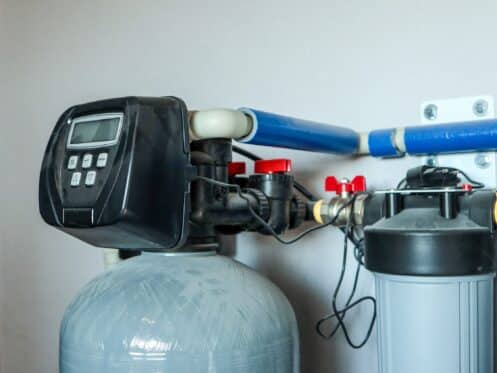
You can install a water softener that specifically treats elevated calcium and magnesium levels. This type of treatment, which uses an ion-exchange process to remove unwanted minerals, is one of the most common ways to soften water throughout the whole house.
This is another treatment option that provides whole-home coverage. The type of filter determines which contaminants it reduces. Some filters target sediment and chlorine, while others reduce iron, sulfur, or other specific water-quality concerns.
Reverse osmosis systems, which frequently treat drinking and cooking water, usually come in point-of-use setups. You may still need a whole-home filtration system to treat water that flows throughout the rest of the home.
Much like filtration systems, water conditioning systems treat different water quality concerns. A water-quality test reveals which type of conditioning system will work best.
Why Water Testing Should Come Before Treatment
You can look for certain symptoms to determine what might be affecting your water, but a water quality test gives you a much clearer answer. A water quality expert can decide how to test your water for different contaminants/minerals. They typically collect a water sample, measuring specific water-quality levels, and review the results. You can learn if your home struggles with hard water, excess iron, chlorine, sediment, or another water-quality concern.
What Treatment Makes Sense for Your Home?
Testing is only part of the picture. Some homes need more than one type of treatment system.
- Your home’s water source
- Your household’s daily water usage
- The specific water-quality problems you want to address
- The type and condition of your plumbing
- The appliances and fixtures that use the water
Schedule a Water Quality Test Today
When it comes to improving your home’s water supply, it’s best to test first and treat second. Pipe Works Services makes it simple to schedule a water quality test and learn about different treatment options.
Contact Pipe Works Services now to book a water quality test for your home in Chatham, NJ.