 It’s & We’re Always Open!
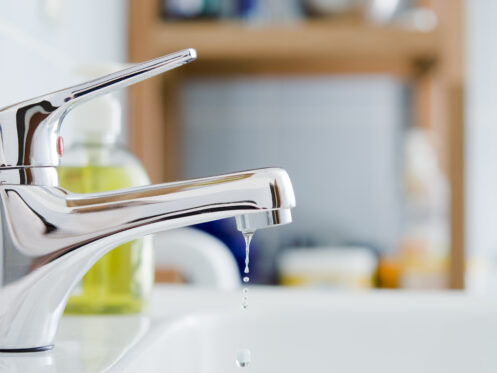
It’s never a great feeling when you step into your morning shower and realize the water isn’t coming through with its usual strength. If you’re in Northern or Central New Jersey, maybe in areas like Montclair, Livingston, or near the Great Swamp National Wildlife Refuge, you might’ve noticed that your shower stream felt unusually weak today.
When that happens, it’s easy to assume something’s wrong with a single fixture, but the real issue often sits deeper in your plumbing system. In many cases, your house’s pressure regulator is quietly struggling, and that small device can influence every faucet and appliance you rely on. Pipe Works Services Inc. is here to walk you through what might be happening and help you understand your next steps.
What a Pressure Reducing Valve Does in Your Home
Your pressure reducing valve plays a behind-the-scenes role in keeping your plumbing system balanced. It’s designed to manage incoming water force so your pipes and fixtures stay protected, and when it begins to falter, you’ll feel the effects throughout your house. Here’s how it works and why it matters:
- Home water pressure regulator: This component moderates the strength of incoming water from your municipal supply so your plumbing system doesn’t get overwhelmed. By keeping things steady, it helps you enjoy predictable performance throughout your house.
- Water pressure control: It smooths out fluctuations that happen when demand rises or falls in your neighborhood. This means you get consistent water strength whether you’re showering, cooking, or cleaning.
- System protection: A functioning valve reduces strain on appliances like dishwashers and water heaters. This can help extend their lifespan and reduce unexpected repair costs.
Symptoms of a Failing Regulator (and What They’re Not)
When your regulator begins to wear out, it often sends signals that are easy to miss at first. Understanding these signs helps you avoid misdiagnosing the issue and wasting time on the wrong fix.
- Low shower water pressure: A noticeable drop in shower strength is one of the earliest signs of regulator trouble. While it might seem like a clogged showerhead, whole-home changes usually point to pressure regulation issues instead.
- Pressure fluctuations: If your water alternates between strong and weak without warning, your regulator may be losing its ability to maintain balance. These swings rarely come from municipal supply changes.
- Noisy pipes: Whistling or vibrating sounds can appear when pressure isn’t being moderated correctly. These noises aren’t typically caused by leaks or clogs, making the regulator a likely suspect.
Low Pressure vs. Low Flow: Diagnosing the Difference
It’s easy to confuse low pressure with low flow, but they’re two different issues with different causes. Knowing which one you’re dealing with helps you figure out whether you need cleaning, repair, or adjustment.
- Pressure drop: A true pressure drop affects your entire house, not just one fixture. This often points to regulator trouble or changes in your municipal supply.
- Flow restriction: Flow problems usually show up in one or two fixtures. Mineral buildup or debris in aerators is a common cause and usually easy to fix.
- Fixture-specific issues: When only one shower or sink is affected, the problem is likely localized. This helps you narrow down whether you need cleaning or targeted repairs.
How to Test Your Home’s Water Pressure in Five Minutes
You don’t need special tools or a long afternoon to get a quick read on your house’s water strength. A simple test can give you valuable insight into what’s happening behind the scenes.
- Pressure gauge test: Attach a gauge to an outdoor spigot to get an instant reading. This gives you a baseline for diagnosing potential issues.
- Normal pressure range: Most homes perform best between 40 and 60 PSI. Anything outside this range may require professional evaluation.
- Repeat testing: Testing at different times helps you spot fluctuations. Consistently low readings often point to regulator malfunction.
When It’s the Regulator vs. a Clog, Leak, or Municipal Supply
Not all water issues come from the same source, and understanding the differences helps you avoid unnecessary repairs. Here’s how to tell what’s really going on:
- Leak detection: If your pressure drops even when fixtures are off, you may have a hidden leak. This usually isn’t caused by regulator failure.
- Municipal supply changes: Town-wide maintenance can temporarily reduce pressure. These changes typically resolve quickly without requiring home repairs.
- Clogged lines: Clogs create isolated issues rather than whole-home pressure drops. They’re often found in older houses with aging plumbing.
High Pressure Is a Problem Too: Fixture and Appliance Damage
While low pressure is frustrating, high pressure can be destructive. Excessive force can damage fixtures, appliances, and even your pipes, making regulation essential.
- Fixture strain: Too much pressure can crack seals and damage internal components. This often leads to costly repairs or replacements.
- Appliance wear: Water heaters, dishwashers, and washing machines can wear out faster under high pressure. This reduces efficiency and increases energy use.
- Pipe stress: Over time, pipes may weaken or burst when exposed to sustained high pressure. This risk makes proper regulation essential.
Repair, Adjust, or Replace: How Pipe Works Decides
Every house needs a solution tailored to its specific situation. We evaluate your system carefully to determine the best path forward.
- How to adjust a water pressure regulator: A technician can adjust it by turning the screw or bolt in small increments to raise or lower pressure. A quick tweak often restores balanced flow when the regulator is still working properly.
- Repair evaluation: Technicians inspect internal components to determine whether repair is feasible. This helps avoid unnecessary replacements.
- Replacement criteria: Older or severely worn regulators may need full replacement. This ensures long-term stability and safety.
Turn to Pipe Works
When your home’s water performance changes unexpectedly, prompt service makes all the difference. We offer plumbing repair, leak prevention, and underground leak services to correct any issues you may have. DIY fixes often create more problems, especially when dealing with pressure-related components that require precise handling.
Pipe Works Services Inc. has been family owned and operated since 2000, and every job is completed by trained in-house technicians rather than subcontractors. You can count on a team focused on creating comfortable, healthy, long-lasting home environments while helping you save money through energy-efficient solutions.
If you want dependable help before small issues become major headaches, you’ve come to the right place. Contact us today to schedule service and protect your home.
Frequently Asked Questions