 It’s & We’re Always Open!
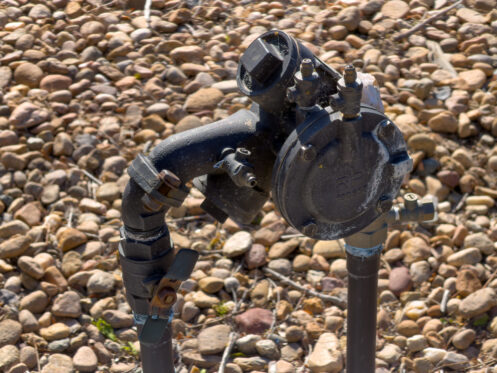
Backflow preventers help protect drinking water by keeping water from flowing in the wrong direction through a plumbing system. In New Jersey, some properties and plumbing systems require periodic testing of testable backflow prevention devices. The exact requirements depend on the property type, device, plumbing system, and applicable state or local rules.
For homeowners, it is important to understand whether your property has a testable backflow preventer, whether testing is required, and who is qualified to perform it. Local code officials or your water provider can help clarify the requirements that apply to your property.
What Backflow Is and Why New Jersey Regulates It
Backflow occurs when water reverses direction through your plumbing system. This reversal can create the potential for non-potable water or contaminants to enter piping that supplies drinking water.
Backflow prevention devices are designed to reduce this risk by keeping water moving in the intended direction. They may be required where a plumbing connection creates the potential for contamination, such as certain irrigation, fire protection, boiler, or other systems.
Because cross-connections can create a drinking-water hazard, New Jersey regulates the installation and testing of certain backflow prevention devices. Requirements can vary depending on the type of property and system involved.
Which Homes May Have a Backflow Preventer?
Not every home has the same type of backflow protection. The equipment installed depends on the home’s plumbing systems and the potential for a cross-connection between potable water and another water source or system.
Irrigation systems are one common application. Lawn sprinklers can create a potential connection between the drinking-water supply and water exposed to soil, fertilizers, pesticides, or other outdoor contaminants.
Boiler and hydronic heating systems may also use backflow protection to keep water within the heating system from flowing back into the potable supply.
Pools, spas, fire protection systems, and other specialized plumbing installations may have their own backflow protection requirements. If you are unsure what type of device your home has, a qualified plumber can help identify it.
Does New Jersey Require Annual Backflow Testing?
New Jersey requires annual testing of certain testable backflow preventers, but the requirement does not apply uniformly to every residential property. Under New Jersey Department of Community Affairs guidance, testable backflow preventers in one- and two-family dwellings are generally exempt from the statewide annual testing requirement.
However, other requirements may apply depending on the type of device or system, local ordinances, fire protection requirements, or your water provider’s cross-connection control program. Commercial and other regulated properties may also face different testing schedules.
If you receive a testing notice, do not ignore it. Review the notice to determine which device must be tested, the deadline, and what documentation is required. When the requirement is unclear, contact the issuing authority or a qualified backflow professional for guidance.
Who Can Perform a Required Backflow Test?
Required testing of regulated backflow prevention devices must be performed by an appropriately qualified or certified tester when New Jersey regulations call for certified testing.
Backflow testing requires specialized equipment and knowledge of how different devices are designed to operate. A tester measures pressure and verifies that the internal components respond properly under the required test conditions.
If documentation is required, the completed test results are provided or submitted according to the instructions of the municipality, utility, code official, or other authority overseeing the device.
What a Backflow Test Actually Involves
The exact procedure depends on the type of backflow prevention assembly. Testing generally begins with a visual inspection to look for obvious leaks, corrosion, damaged components, or other conditions that could affect operation.
The tester then connects appropriate test equipment to designated test points on the assembly. Pressure readings help determine whether check valves, relief valves, and other internal components are operating within the required parameters.
A visual inspection alone cannot confirm that every internal component is functioning correctly. That is why testable assemblies require specialized testing when an inspection or compliance test is required.
If the device passes, the tester documents the results as required. If it fails, the device may need repair or replacement followed by additional testing.
What Happens if a Backflow Preventer Fails?
A failed test does not necessarily mean the entire plumbing system or even the entire backflow assembly must be replaced. Some failures can be corrected by repairing or replacing individual components.
Depending on the device and its condition, repair may involve seals, springs, valves, or other internal parts. In other cases, replacing the assembly may be the more appropriate solution.
After a required repair or replacement, the device may need to be retested to confirm that it meets the applicable performance requirements. Follow any instructions provided by the local authority or water provider regarding documentation and follow-up testing.
If repairs are needed, Pipe Works Services provides professional plumbing repair throughout Northern and Central New Jersey.
Common Reasons Backflow Preventers Fail
Backflow prevention devices contain valves, seals, springs, and other components that can wear or become obstructed over time.
- Mineral buildup
- Dirt and debris
- Freeze damage
- Corrosion
- Worn seals or internal components
- Normal aging
Dirt or debris can interfere with internal valves and prevent them from sealing correctly. Mineral deposits and corrosion may also affect movement or sealing within the assembly.
Outdoor devices can be vulnerable to freezing when water remains inside exposed components during cold weather. Over time, seals, springs, and other moving parts can also deteriorate through normal use.
Why Backflow Prevention Matters for Your Water Supply
Backflow prevention is designed to protect potable water from cross-connections with non-potable water or potential contaminants. Maintaining required devices and completing required testing helps ensure that the protection remains in place.
Backflow testing is different from general water treatment or water-quality testing. A backflow test evaluates the mechanical operation of the prevention device rather than analyzing the contents of your drinking water.
Schedule Backflow or Plumbing Service With Pipe Works Services
If you have received a backflow testing notice, have questions about a backflow prevention device, or need repairs after a failed test, Pipe Works Services can help with your plumbing needs. Pipe Works Services has served Chatham and communities throughout Northern and Central New Jersey since 2000 and provides professional plumbing services for residential properties.
Contact Pipe Works Services to schedule plumbing service or get help with a backflow prevention device in New Jersey.