 It’s & We’re Always Open!
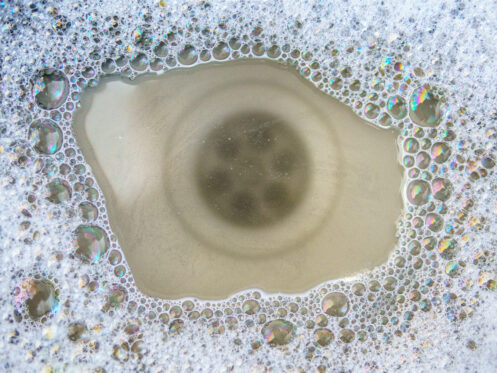
If the same plumbing problem keeps returning, the issue may be deeper than a simple clog or small repair. Recurring leaks, slow drains, pressure problems, and sewer backups are often signs of underlying plumbing issues that need a long-term solution instead of another temporary fix.
Older plumbing systems, hard water, pipe corrosion, and sewer line damage can all contribute to ongoing plumbing trouble. Understanding what causes these recurring issues can help homeowners protect their plumbing systems, avoid water damage, and prevent more expensive repairs in the future.
Recurring Pipe Leaks
Frequent plumbing leaks can be frustrating and potentially damaging if not addressed properly. Even small leaks can lead to water damage, moisture problems, or mold growth when left untreated.
In some homes, isolated leaks can be repaired successfully without larger plumbing work. However, repeated leaks throughout older plumbing systems may indicate widespread pipe corrosion or excessive water pressure that continues stressing the pipes and fittings.
Common causes of recurring pipe leaks include:
- Aging or corroded pipes
- High water pressure
- Loose or worn pipe fittings
- Pinhole leaks caused by internal corrosion
- Seasonal pipe expansion and contraction
When leaks continue appearing in multiple locations, a plumber may recommend more extensive repairs or partial repiping to address the root cause of the problem.
Low Water Pressure
Low water pressure or pressure fluctuations can happen for several reasons, especially in older homes.
1. Mineral Buildup Inside Pipes
In homes with hard water, dissolved minerals such as calcium and magnesium can gradually build up inside plumbing pipes. Over time, these deposits restrict water flow and reduce pressure throughout the home.
Installing a water softener can help reduce future mineral buildup and protect plumbing fixtures and appliances. However, severely restricted pipes may eventually require repair or replacement to restore proper flow.
2. Pressure-Reducing Valve Problems
Pressure fluctuations may also be related to a failing pressure-reducing valve on the main water line. This valve helps regulate incoming water pressure so the plumbing system maintains more consistent flow.
If the valve becomes stuck or damaged, homeowners may notice inconsistent water pressure, weak flow, or sudden pressure spikes. In many cases, replacing the valve can correct the issue.
Slow Drains and Recurring Clogs
Recurring drain clogs are often caused by everyday materials building up inside the plumbing system over time.
Common Causes of Drain Clogs
- Hair buildup
- Food scraps
- Soap residue
- Grease and cooking oils
- Foreign objects in drains
How to Help Prevent Clogs
- Use drain strainers
- Avoid pouring grease down drains
- Scrape food into the trash first
- Keep hair out of bathroom drains
- Schedule periodic drain cleaning
Grease, fat, and oil are especially problematic because they cling to pipe walls and collect debris over time. These buildups can eventually restrict water flow and contribute to recurring slow drains or sewer line clogs.
Professional drain cleaning is often the safest and most effective solution for recurring drain issues. Depending on the condition of the plumbing system, plumbers may recommend snaking, hydro jetting, or additional drain inspection services.
Chemical drain cleaners are generally not recommended because repeated use can damage pipes and increase the risk of future leaks.
Related blog: Tips for unclogging a drain!
Sewer Backups
Recurring sewer backups are often a sign of a larger sewer line problem that requires professional inspection.
Common causes of sewer backups include:
- Tree root intrusion
- Grease buildup inside the sewer line
- Pipe cracks or damage
- Flushing wipes or hygiene products
- Sewer line sagging or improper slope
Tree roots are especially common in older sewer systems because roots naturally seek out moisture and can enter through small cracks or pipe joints. While hydro jetting or root removal can temporarily clear the blockage, damaged sewer lines may require repair to help prevent recurring intrusion.
Sewer line slope problems can also create recurring backups. If part of the line sags or does not maintain the proper angle, waste and debris may collect inside the pipe instead of flowing out properly.
If homeowners experience repeated drain or sewer issues, a sewer camera inspection is usually the best first step. Camera inspections allow plumbers to identify the exact cause of the problem and recommend the most effective repair solution.
Related blog: Why Regular Sewer Line Inspections Are Essential
Why Professional Plumbing Inspections Matter
Recurring plumbing problems often indicate an underlying issue that temporary repairs alone may not solve. Professional plumbing inspections can help identify hidden pipe damage, sewer line problems, water pressure issues, and drainage concerns before they become more serious.
Addressing plumbing problems early may help reduce the risk of water damage, costly repairs, and ongoing frustration from repeat plumbing failures.
Get Help Solving Recurring Plumbing Problems
Recurring plumbing issues can quickly become expensive and disruptive if the underlying cause is never properly identified. Professional inspections and long-term repair solutions can help homeowners avoid repeat leaks, drain clogs, pressure issues, and sewer backups.
At Pipe Works Services, our team can identify the source of recurring plumbing problems and recommend repair options tailored to your home’s plumbing system. From drain cleaning and leak detection to sewer inspections and pipe repairs, we’re here to help homeowners in Chatham and the surrounding areas keep their plumbing systems operating reliably.

Frequently Asked Questions About Recurring Plumbing Problems
Recurring plumbing issues are often caused by underlying problems such as pipe corrosion, mineral buildup, sewer line damage, improper water pressure, or recurring drain blockages that temporary repairs do not fully address.
Hard water can contribute to mineral buildup inside plumbing pipes, fixtures, and appliances over time. This buildup may reduce water flow and increase strain on the plumbing system.
Hydro jetting can be an effective drain cleaning method when used appropriately. A plumber may inspect the pipes first to determine whether the plumbing system is in suitable condition for hydro jetting.
Sewer line replacement may be recommended when the pipe has extensive damage, repeated root intrusion, major sagging, or ongoing backup issues that repairs cannot fully correct.