 It’s & We’re Always Open!
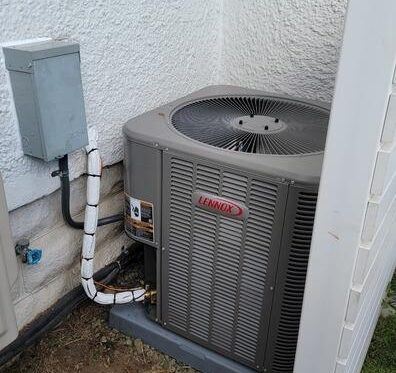
Heat waves in New Jersey can put a lot of strain on your air conditioner. As temperatures rise, the system runs longer, works harder, and draws more power to keep your home comfortable. If airflow is restricted or an internal component is already wearing out, that extra demand can cause the circuit breaker to trip.
A tripped breaker is not something to ignore. The breaker is designed to shut off power when the circuit is overloaded or when a potential electrical issue is detected. Pipe Works Services helps New Jersey homeowners identify AC problems that lead to breaker trips and resolve them before they turn into larger cooling or electrical concerns.
Quick Tips Before Calling for Repair
A few cautious steps can help you rule out simple airflow problems before booking a service appointment. These steps will not fix an electrical or mechanical issue, but they may help you identify whether the problem is related to basic maintenance or something that requires professional service.
Safe troubleshooting steps to try first:
- Replace a dirty air filter with a clean one
- Avoid repeatedly resetting the breaker
- Check for blocked vents or closed registers throughout the home
- Clear leaves, grass, and debris away from the outdoor unit
- Schedule preventive AC maintenance if it has been more than a year
If the breaker keeps tripping after these basic checks, avoid repeated resets and call a qualified technician. Resetting the breaker again and again can allow an unresolved electrical or mechanical issue to continue stressing the system.
Why Extreme Heat and Humidity Stress AC Systems
New Jersey summers can be hot and humid, which makes air conditioners work harder. During a heat wave, your AC has to remove both heat and moisture from the indoor air. That can lead to longer cooling cycles and higher electrical demand.
Ways summer weather increases strain on your AC:
- Longer cooling cycles during heat waves
- Higher indoor cooling demand during humid weather
- More strain as the system removes both heat and moisture
- Increased electrical load during extreme temperatures
Heavy summer loads can also reveal problems that may not show up during milder weather. A weak capacitor, restricted coil, failing motor, or struggling compressor may draw too much current when the system is under pressure. When that happens, the breaker trips to shut the system down.
Dirty Filters and Poor Airflow Can Cause Overheating
Poor airflow is one of the most common reasons an AC system overheats and pulls too much power. When air cannot move freely, the blower motor, evaporator coil, and compressor may all experience added strain. As the equipment works harder, the electrical load can increase until the breaker trips.
Common airflow problems that can lead to overheating:
- Clogged air filters blocking return airflow
- Blocked or closed vents and registers
- Dirty evaporator coils coated in dust and debris
- Outdoor condenser units surrounded by leaves, grass, or debris
- Extra strain on the blower motor and compressor
Keeping filters clean and maintaining clear airflow throughout the system can reduce the risk of overheating during a heat wave. If airflow remains weak after changing the filter and clearing vents, professional air conditioning service may be needed.
Electrical Components May Be Struggling Under Summer Demand
Airflow is not always the cause of a tripping breaker. Electrical issues within the AC system can also trigger repeated shutdowns. Over time, heat, age, and constant operation can weaken internal components. During a heat wave, those weak points may become more noticeable.
Electrical issues that can cause a breaker to trip:
- Failing capacitors that can no longer start or run the motor efficiently
- An overheating compressor drawing excess current
- Loose electrical connections creating resistance and heat
- Worn contactors or deteriorating wiring
- Older equipment drawing more power than it should
When these issues are present, repeatedly resetting the breaker can make the system keep running despite an unresolved problem. That may increase stress on the compressor, wiring, or other electrical parts. What starts as a smaller repair can become more expensive if the system continues operating under unsafe conditions.
Older Systems and Power Surges Can Create Bigger Problems
An older HVAC system may struggle more during long stretches of extreme heat. As performance drops, the unit may run longer and draw more power to keep up with the thermostat setting. In some homes, the electrical panel may also need to be evaluated if breakers trip frequently or the home’s power demand has increased over time.
Factors that increase risk during heavy summer energy use:
- Higher power demand during sustained heat waves
- Older equipment operating below its original efficiency
- Electrical panels approaching their capacity limits
- Storm-related power fluctuations and voltage surges
- Repeated breaker trips during peak summer temperatures
When breaker trips happen during storms, high regional power demand, or repeated AC operation, both the HVAC system and electrical system may need attention. Pipe Works offers panel inspections and surge protection services for homeowners concerned about electrical safety and power fluctuations.
Signs It Is Time to Call a Professional
Basic troubleshooting is not enough in some cases. If any of the following issues occur, stop running the system and schedule professional repair.
Warning signs that require professional attention:
- The breaker trips more than once after being reset
- A burning smell or unusual sound comes from the system
- The AC runs but no longer cools the home effectively
- Ice appears on the indoor unit or refrigerant lines
- Warm air blows from the supply vents
- The breaker will not reset or trips immediately after being reset
Operating a system with unresolved electrical issues can increase the risk of compressor failure, wiring damage, and other safety concerns. The earlier a technician can identify the issue, the easier it may be to protect your home, comfort, and cooling equipment.
Preventive Maintenance Helps Reduce Summer Breakdowns
Routine maintenance is one of the best ways to reduce the risk of AC repairs during extreme summer weather. A properly maintained system can run more efficiently, handle peak demand more effectively, and reveal small issues before they cause repeated breaker trips.
What professional AC maintenance typically includes:
- Air filter inspection and replacement
- Electrical component inspections and connection checks
- Evaporator and condenser coil cleaning
- Refrigerant level checks
- Airflow testing and adjustment
- Overall system performance inspection
Pipe Works Services helps New Jersey homeowners prepare their cooling systems for summer through professional AC maintenance and repair services. Scheduling maintenance before peak temperatures arrive gives your system a better chance of running reliably through the season.
Contact Pipe Works Services Today
A tripping breaker during a heat wave is more than an inconvenience. It may mean your AC system is working too hard, has restricted airflow, or has an electrical or mechanical issue that needs professional attention. Ignoring repeated breaker trips can increase the risk of compressor damage, high energy bills, and a loss of cooling when you need it most.
Timely professional maintenance and repairs can help protect your system, comfort, and home electrical safety. Call Pipe Works Services in Chatham today to schedule expert AC inspection and repair service for your New Jersey home.
Frequently Asked Questions
New Jersey homeowners often have questions about why their AC keeps tripping the breaker and what to do about it. Here are answers to some of the most common ones.
Extreme heat and humidity make your air conditioner work harder and run longer. That extra strain can increase electrical demand. If the system has poor airflow, a failing part, or an electrical issue, it may draw more current than the circuit can safely handle, causing the breaker to trip.
Yes. A dirty filter can restrict airflow, which forces the AC system to work harder. That added strain can increase heat and electrical demand inside the system. Changing filters regularly is one of the easiest ways to reduce unnecessary stress on the equipment.
No. One reset may be reasonable if the trip appears isolated, but repeated trips are a warning sign. If the breaker trips again, stop resetting it and schedule professional service. The system may have an electrical, mechanical, or airflow problem that needs to be inspected.