
 It’s & We’re Always Open!
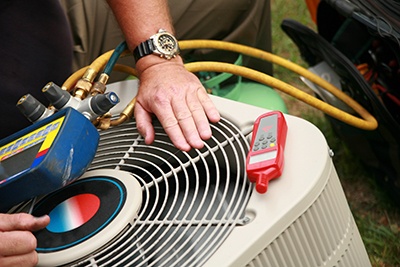
Spring is a good time to get your air conditioning system ready for the warm months ahead. After lighter use during cooler weather, your AC benefits from a professional inspection before taking on the demands of summer. A thorough tune-up goes beyond a quick check and focuses on system performance, reliability, and overall condition. Understanding what a spring AC tune-up should include helps you know what to expect and get the most from your service visit.
Why a Spring AC Tune-Up Matters
Spring maintenance helps prepare your system for peak demand. During summer, your AC may run for long periods, and small issues can become larger problems if left unaddressed. A tune-up allows technicians to identify concerns early and make adjustments as needed.
Maintenance can also support system efficiency. Dust buildup, worn components, and improper settings may cause your system to work harder than necessary. Addressing these issues can help improve performance and reduce unnecessary strain.
Routine service may also help extend system lifespan by keeping components clean and properly adjusted.
What an AC Maintenance Visit Should Include
A professional maintenance visit involves a detailed inspection and adjustment process. Technicians evaluate system performance rather than performing a quick visual check. Each component plays a role in overall operation, so a complete tune-up focuses on both function and safety.
Core tasks typically include:
- Full system inspection
- Component cleaning
- Performance testing
- Safety checks
Inspecting and Testing System Components
Technicians begin by inspecting the system for visible signs of wear or damage. This includes checking electrical connections, wiring, and key components such as the compressor and fan motors. The system is also tested during operation to evaluate performance under normal conditions.
Thermostat accuracy is reviewed as well. If the thermostat does not read temperatures correctly, it may affect system cycling and comfort levels. Electrical components are checked for wear or loose connections, which can impact both performance and safety.
Cleaning Critical AC Components
Cleaning is an important part of maintenance. Over time, dirt and debris can accumulate on key components, which may affect airflow and heat transfer. Technicians typically clean evaporator and condenser coils to support proper system operation.
The outdoor unit is also cleared of debris that could restrict airflow. Drain lines are checked and cleared if needed to help prevent moisture buildup and potential water issues inside the home.
Checking Refrigerant Levels and System Pressure
Refrigerant is essential for cooling performance. If levels are too low, the system may not remove heat effectively. Technicians check refrigerant levels and system pressure to confirm proper operation.
If a problem is detected, the cause is investigated rather than simply adding refrigerant. Low levels may indicate a leak that requires repair. Addressing these issues early can help prevent further system strain.
Evaluating Airflow and System Performance
Airflow plays a key role in comfort and system efficiency. Restricted airflow can affect how well your AC cools your home. During a tune-up, technicians may check for common issues such as clogged filters or signs of uneven airflow.
While the AC unit itself is evaluated, overall performance can also be influenced by factors like duct condition and home layout. Identifying potential airflow concerns can help guide future improvements if needed.
Lubricating Moving Parts and Reducing Wear
AC systems include moving parts that require proper lubrication. Without it, friction can increase and lead to additional wear over time. Applying lubrication where needed helps components operate more smoothly and may reduce unnecessary strain on the system.
Verifying System Safety and Controls
Safety checks are an essential part of maintenance. Technicians test system controls to confirm proper operation under normal and abnormal conditions. This includes verifying that the system shuts down correctly if an issue is detected.
Electrical components are also evaluated to ensure they meet safety standards. These checks help support safe and reliable system operation.
Common Issues Found During Tune-Ups
A spring AC tune-up may reveal issues that are not immediately noticeable. Identifying these early can help prevent more significant problems later.
Common findings include:
- Dirty coils
- Low refrigerant levels
- Loose electrical connections
- Clogged drain lines
How a Tune-Up Supports Comfort and Efficiency
Regular maintenance can help your system operate more consistently. A well-maintained AC is better able to maintain even temperatures and respond to changing conditions.
Efficiency may also improve when components are clean and properly adjusted. While results can vary, maintenance helps reduce unnecessary strain and supports overall system performance.
What to Ask During Your Service Visit
Being informed helps you get more value from your maintenance appointment. Consider asking about your system’s condition, any recommended repairs, and expected lifespan.
You can also ask about ways to support system performance, such as filter changes or thermostat settings. These insights can help you plan future maintenance and make informed decisions.
Schedule Your Spring AC Tune-Up Today
A spring AC tune-up helps prepare your system for the demands of summer and reduces the risk of unexpected issues. Scheduling service early allows time to address any concerns before peak season.
Pipe Works Services, Inc. has been providing trusted AC services in the Chatham area for over 25 years. Contact our team today to schedule your maintenance appointment.