 It’s & We’re Always Open!
When you’re dealing with a sweltering stretch in North Jersey or Central Jersey, the last thing you expect is your cooling system flicking on and off every few minutes. Maybe you’re in Montclair, Morristown, Edison, Somerville, or even near Branch Brook Park, and you notice your AC behaving strangely. That rapid cycling feels unsettling, especially when your home’s temperature refuses to settle.
This pattern, known as ac short cycling, can leave you wondering if your equipment is failing or if something more subtle is happening behind the scenes. Pipe Work Services Inc. is here to help you understand what’s going on, why it matters, and what you can do to protect your comfort.
What Short-Cycling Actually Is (and Why It’s Not Just Annoying)
Rapid cycling happens when your cooling unit starts up, runs briefly, then shuts down before completing a full cooling cycle. It’s more than a minor irritation. This behavior strains components, disrupts airflow, and can cause your home to feel unevenly conditioned.
You might also hear the term “short cycling,” which refers to the same issue. Regardless of the phrasing, the symptoms are consistent.
Signs of AC unit short cycling:
- Frequent starts
- Uneven cooling
- Higher energy use
There are numerous causes behind this behavior, and identifying the right one is key to restoring steady performance.
The Fastest Check: Thermostat Placement and Dirty Filters
Sometimes the simplest issues create the biggest headaches. A thermostat positioned where it’s too hot, near a hallway with constant airflow, or near a heat-producing appliance can misread your home’s temperature. Dirty filters can also choke airflow, forcing your system to shut down prematurely.
Specific thermostat placement issues:
- Direct sunlight: Sun exposure warms the thermostat, tricking it into thinking your home is hotter than it is.
- Nearby vents: Air blowing directly onto the thermostat can distort readings.
- Close to appliances: Heat from ovens or electronics can skew temperature perception.
Oversized Systems: The Installation Mistake That Never Goes Away
If your cooling unit is too large for your home, it’ll cool spaces too quickly and shut down before completing a full cycle. This might sound efficient, but it actually creates humidity problems and constant cycling.
Reasons an oversized AC isn’t helpful:
- Rapid cooling: Oversized units chill air fast but don’t run long enough to manage moisture, leaving your home feeling clammy and uncomfortable.
- Increased wear: Frequent starts and stops strain motors and compressors, which can shorten your system’s lifespan significantly.
- Higher energy use: Large units cycle more often than necessary, causing them to burn extra electricity without improving comfort.
Low Refrigerant
Low refrigerant levels reduce your system’s ability to absorb heat, causing it to shut down early. This is one of the most common answers to why is my ac short cycling, and it’s an issue that legally requires a trained technician to handle.
Causes of low refrigerant:
- Leaks: Small punctures or worn connections allow refrigerant to escape, which quickly disrupts cooling performance.
- Improper charging: If refrigerant wasn’t added correctly during installation or service, your equipment may struggle to maintain proper pressure.
- Corrosion: Chemical or environmental wear on copper lines can create tiny openings that slowly release refrigerant.
Frozen Coils
Frozen coils aren’t unusual, even during extreme heat. When airflow drops or refrigerant levels fall, moisture can freeze on the evaporator coil. This forces your system to shut down repeatedly.
What causes frozen coils:
- Restricted airflow: Blocked vents or clogged filters reduce circulation, allowing ice to form quickly on the coil.
- Low refrigerant: Reduced pressure lowers coil temperature, which encourages freezing and interrupts normal cooling cycles.
- Blower issues: A weak or failing blower motor can’t push enough air across the coil, making it more likely to freeze.
Freeze/Short-Cycle Loop
Once coils freeze, your unit may enter a loop where it shuts down, thaws slightly, then freezes again. This cycle repeats until the underlying issue is resolved.
How the loop works:
- Thaw and restart: When the system stops, ice melts just enough for airflow to return.
- Continuous interruption: This repeated stopping prevents your unit from completing a full cooling cycle.
- Inconsistent airflow: Ice buildup restricts circulation, causing the system to shut down early.
- Compressor stress: Frequent restarts force the compressor to work harder.
Electrical Causes: Failing Capacitors and Control Boards
Electrical issues can also trigger short cycling AC behavior. Faulty capacitors may struggle to start the compressor, while malfunctioning control boards can send inconsistent signals.
What causes electrical problems:
- Aging components: Over time, capacitors lose strength and can’t deliver the necessary boost, causing your equipment to shut down prematurely.
- Damaged wiring: Loose or worn wires disrupt communication between parts, which can lead to sudden stops or failed starts.
- Faulty relays: Malfunctioning relays may send inconsistent signals to the compressor or fan, triggering repeated short cycling.
What Short-Cycling Costs You in Compressor Life
Your compressor is the heart of your cooling system, and short-cycling puts it under constant stress. Each rapid start draws heavy electrical current, which accelerates wear.
Damage caused by short-cycling:
- Overheating: Frequent starts generate excess heat that weakens internal components and reduces long-term efficiency.
- Premature failure: Constant strain shortens compressor lifespan, making replacement a costly but avoidable outcome.
- Pressure fluctuations: Rapid cycling forces the unit to adjust pressure repeatedly, increasing internal stress on moving parts.
What You Can Check Safely vs. When to Call Pipe Works
You can handle a few basic checks on your own, but many issues require professional expertise.
What you can check:
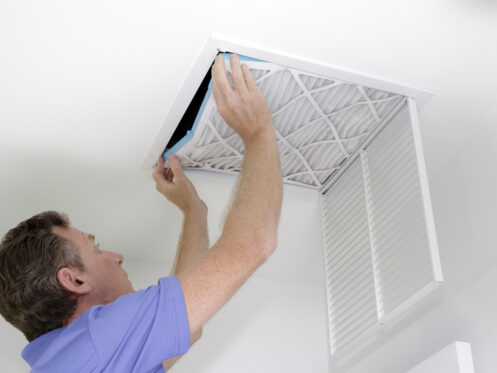
- Filters: Look for dirt buildup and replace filters regularly to support steady airflow.
- Thermostat settings: Make sure your thermostat is set correctly because small adjustments can noticeably improve performance.
- Vent clearance: Check that supply and return vents aren’t blocked by furniture so your system can circulate air properly.
Seek professional air condition repair for:
- Refrigerant levels: Only certified technicians can manage refrigerant safely, and we’ll check for leaks and restore proper charge.
- Electrical diagnostics: Experts can identify failing capacitors or damaged wiring because these repairs require specialized tools.
- Blower performance: A technician can test the blower motor to confirm it’s delivering the airflow your unit needs.
If your system continues short-cycling after basic checks, it’s time to call our team for a thorough evaluation.
Turn to Pipe Works
Short-cycling is more than a minor nuisance. It’s a sign your cooling unit needs repair or air conditioning maintenance, and prompt service helps prevent expensive issues. Pipe Works Services Inc. has been family-owned and operated since 2000, delivering reliable solutions including AC installation. Trained in-house technicians, never subcontractors, perform all work, so you always know who’s in your home.
You’ll benefit from a team focused on creating comfortable, healthy, long-lasting environments. We’re committed to helping you save money through energy-efficient solutions and offer fast response times backed by strong accountability. With 24/7 emergency service and guarantees on workmanship, you can feel confident your home is in capable hands.
If you’re in places like Newark’s Ironbound, Highland Park, Morristown Green, or near Duke Farms, our team is ready to help restore steady cooling.
When your AC keeps shutting off, you can’t afford to ignore the issue. Request service today to get help and restore dependable comfort to protect your home.