
 It’s & We’re Always Open!
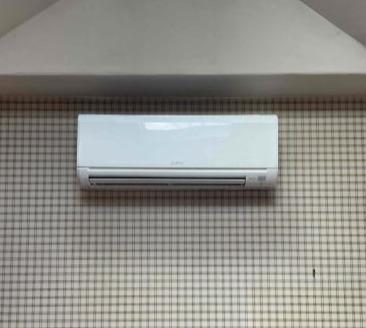
Proper mini-split placement plays a major role in how evenly and efficiently a system cools your home. Poor placement can lead to hot spots, restricted airflow, uneven temperatures, and short cycling that reduces efficiency and increases wear on the system.
Mini-split systems are especially popular in older New Jersey homes, finished attics, additions, and spaces without existing ductwork. Choosing the right location for both the indoor and outdoor units helps improve comfort, energy efficiency, and long-term system performance.
Why Mini-Split Placement Matters
Mini-split systems cool rooms by circulating conditioned air throughout the space. If the indoor unit is installed in the wrong location, airflow can become uneven and leave certain parts of the room warmer than others.
Improper placement may also contribute to short cycling, which happens when the system turns on and off too frequently without completing a full cooling cycle. Short cycling can reduce efficiency, create inconsistent temperatures, and increase strain on system components over time.
A quick overview
Ideal Indoor Unit Placement
- High on the wall for better airflow
- Near the center of the room when possible
- Clear airflow path across the space
- Away from direct sunlight
- Easy to access for maintenance
Placement Mistakes to Avoid
- Installing too close to corners
- Blocked airflow from furniture or shelving
- Mounting too close to the ceiling
- Placing units above beds or seating areas
- Installing near heat-producing electronics
Choosing the Best Wall Location
Whenever possible, mini-split indoor units are typically installed on exterior walls. This usually allows for easier routing of refrigerant lines, electrical connections, and condensate drainage to the outdoor unit.
Installing a mini-split on an interior wall is still possible, but it may require additional labor and routing work that can increase installation complexity and cost.
To improve airflow coverage, the indoor air handler is usually placed in a location that allows conditioned air to circulate across the room as evenly as possible. Units installed too close to corners or behind large furniture may struggle to cool the space consistently.
Height and Ceiling Clearance
Mini-split indoor units are typically mounted high on the wall because elevated placement helps improve airflow and cooling coverage throughout the room.
Proper ceiling clearance is also important. Most manufacturers recommend leaving several inches of space between the top of the unit and the ceiling to allow the system to circulate air effectively.
In larger rooms or spaces with high ceilings, placement height becomes even more important for maintaining consistent comfort throughout the space.
Avoid Heat Sources and Direct Sunlight
Direct sunlight and nearby heat sources can interfere with a mini-split system’s temperature readings, causing the unit to run longer than necessary.
Indoor units should generally be installed away from:
- Televisions
- Computers
- Lamps and lighting fixtures
- Large windows with direct sun exposure
- Heat-producing appliances
Reducing unnecessary heat exposure can help improve efficiency and temperature consistency.
Accessibility Matters
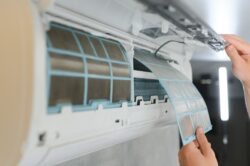 Mini-split systems require regular filter cleaning and occasional professional maintenance, so accessibility should always be part of the installation plan.
Homeowners should be able to comfortably access the indoor unit for routine filter cleaning without major obstructions. Technicians also need adequate working space when performing maintenance or repairs.
Best Placement for the Outdoor Unit
The outdoor condenser unit should be located as close to the indoor unit as practical while still allowing proper airflow around the equipment.
Shorter refrigerant line runs can often simplify installation and help improve overall system efficiency. In multi-zone systems with several indoor air handlers, technicians typically select a location that provides balanced access to all indoor units.
Outdoor Unit Placement Tips
- Keep the area around the unit clear of shrubs and debris
- Allow adequate airflow on all sides
- Avoid locations prone to standing water
- Choose a stable mounting surface
- Reduce direct afternoon sun exposure when possible
Some homeowners choose shaded locations for outdoor condensers to help reduce heat exposure, but airflow around the unit should never be restricted.
Why Professional Mini-Split Installation Matters
Proper sizing and placement both play important roles in mini-split performance. A professionally designed system can help reduce hot spots, improve comfort, minimize short cycling, and support long-term energy efficiency.
Every home has different cooling demands, room layouts, and installation limitations. Professional installers evaluate factors such as room size, ceiling height, airflow patterns, insulation levels, and system accessibility before determining the best placement strategy.
Ask us about our Mitsubishi mini-split options!
Work With Mini-Split Installation Experts
Proper mini-split placement can make a major difference in cooling performance, energy efficiency, and overall comfort. Choosing the right location for both indoor and outdoor components helps reduce airflow problems and improve temperature consistency throughout the home.
At Pipe Works Services, our team helps homeowners throughout Northern and Central New Jersey design and install mini-split systems. Contact us today!

Frequently Asked Questions About Mini-Split Placement
Indoor units are typically installed high on an exterior wall with a clear airflow path across the room. Placement should also allow easy access for maintenance and filter cleaning.
Hot spots can occur when airflow is blocked, the indoor unit is poorly positioned, or the system is improperly sized for the space.
Short cycling occurs when the system turns on and off too frequently without completing a full cooling cycle. Improper sizing or poor placement can sometimes contribute to this issue.
Outdoor units may operate more efficiently when protected from extreme heat exposure, but airflow around the condenser should always remain unobstructed.
More questions? More FAQs here!